
Free Small Estate Affidavit Forms (Word, PDF)
Legal by deanbarrett
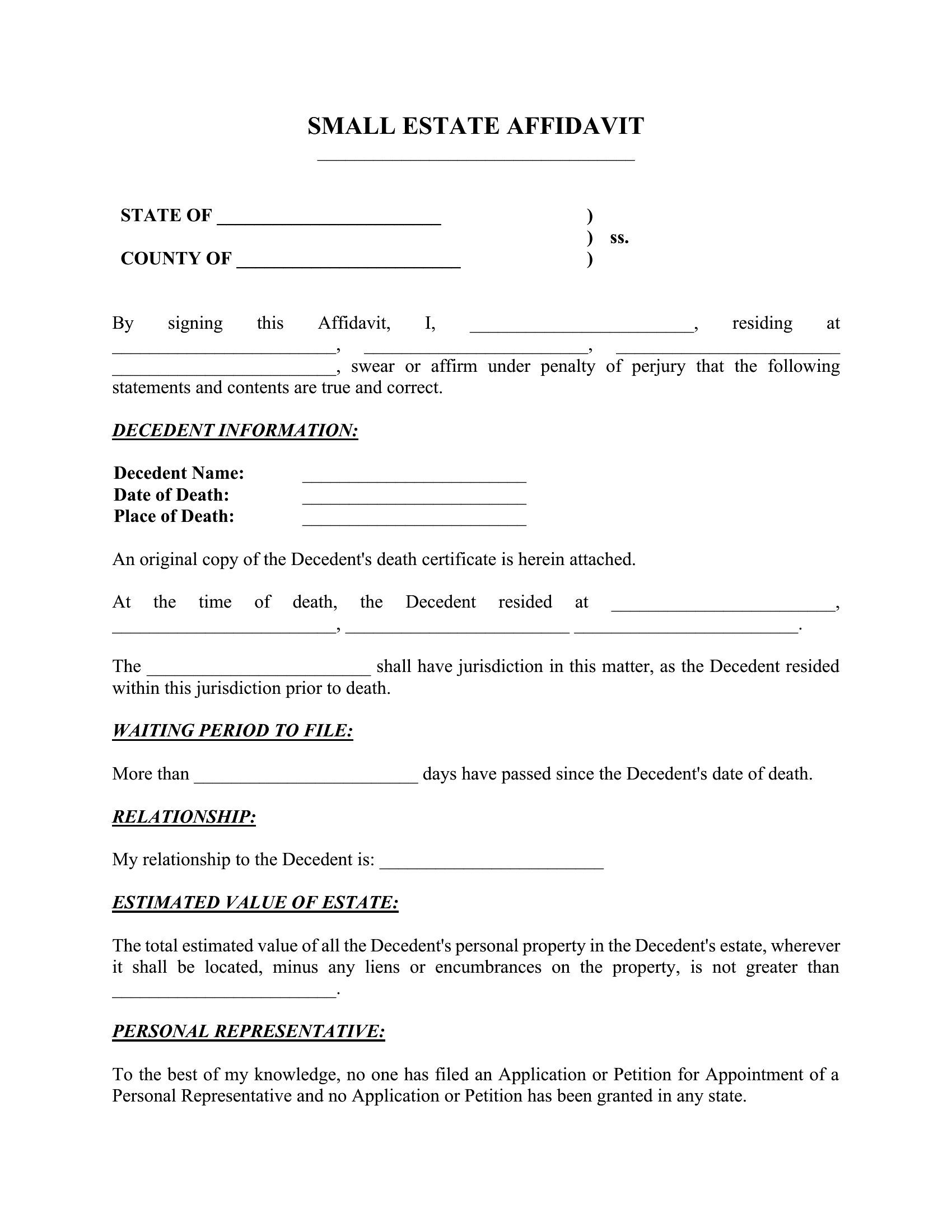
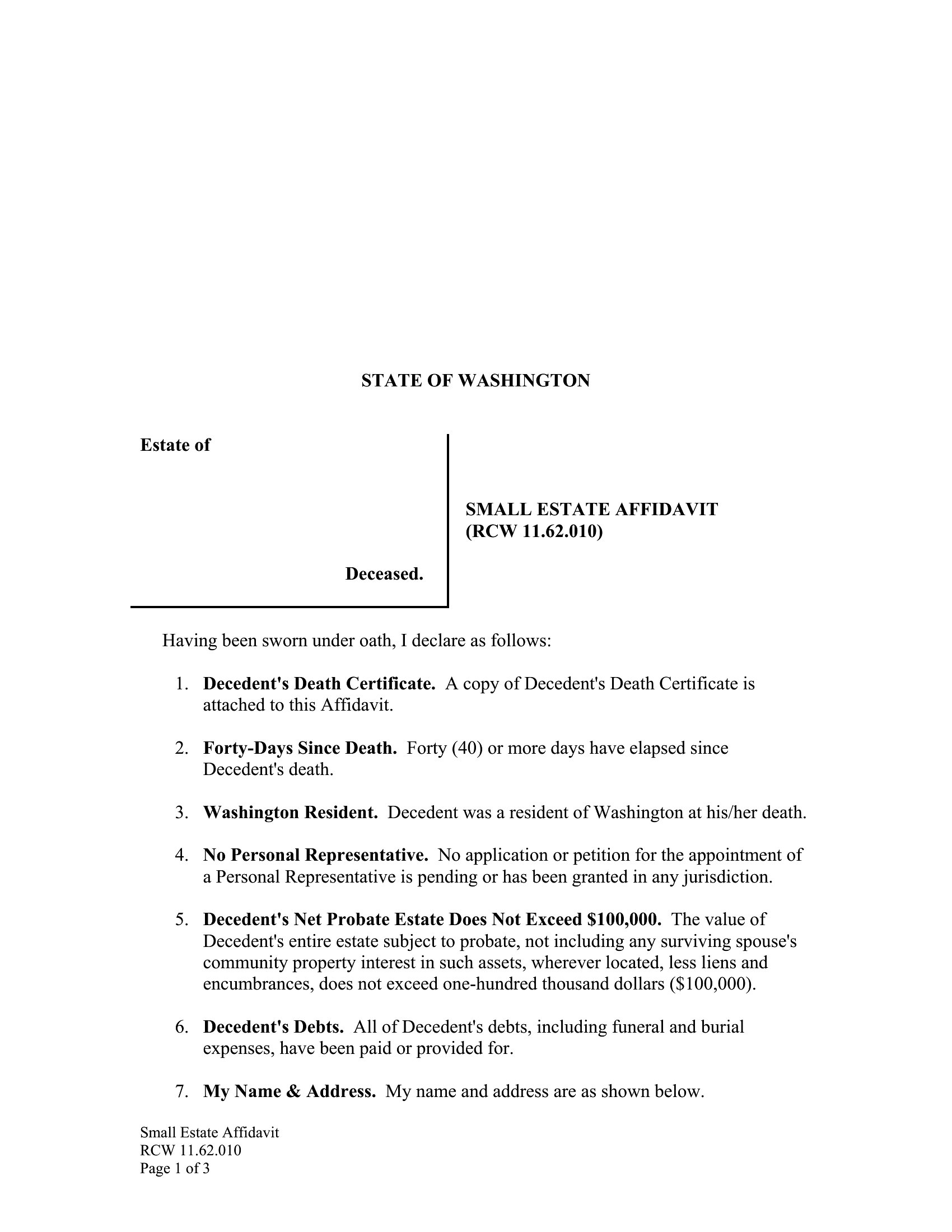
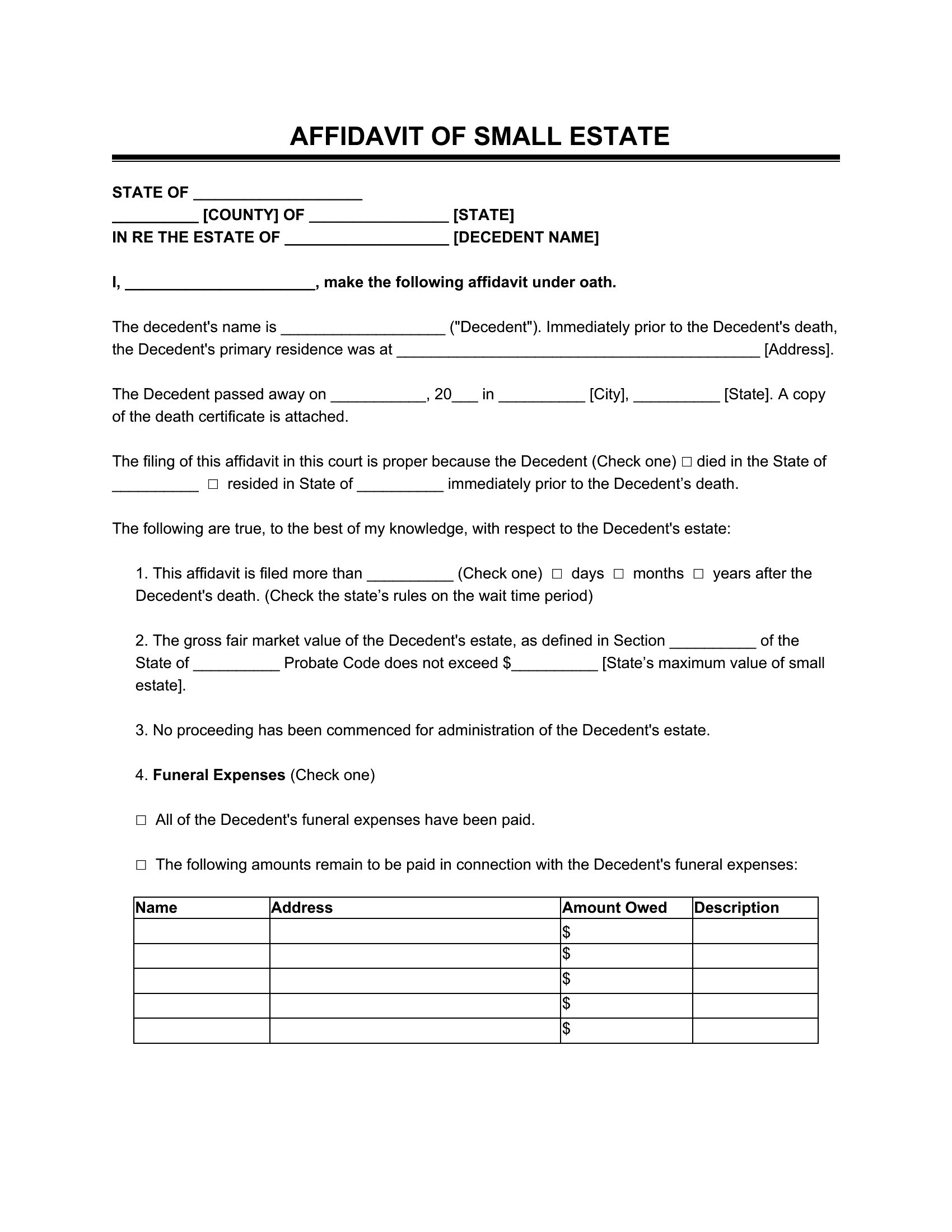
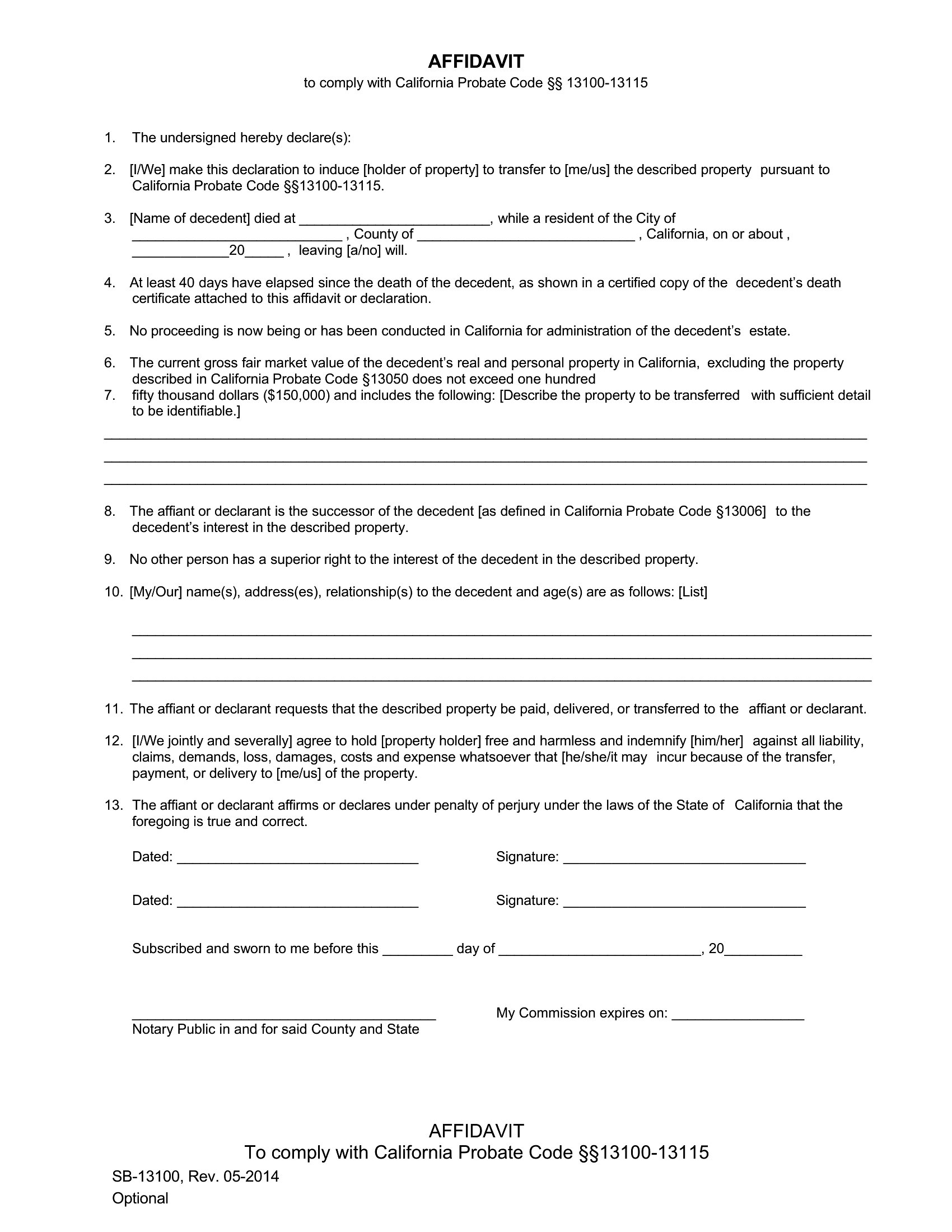
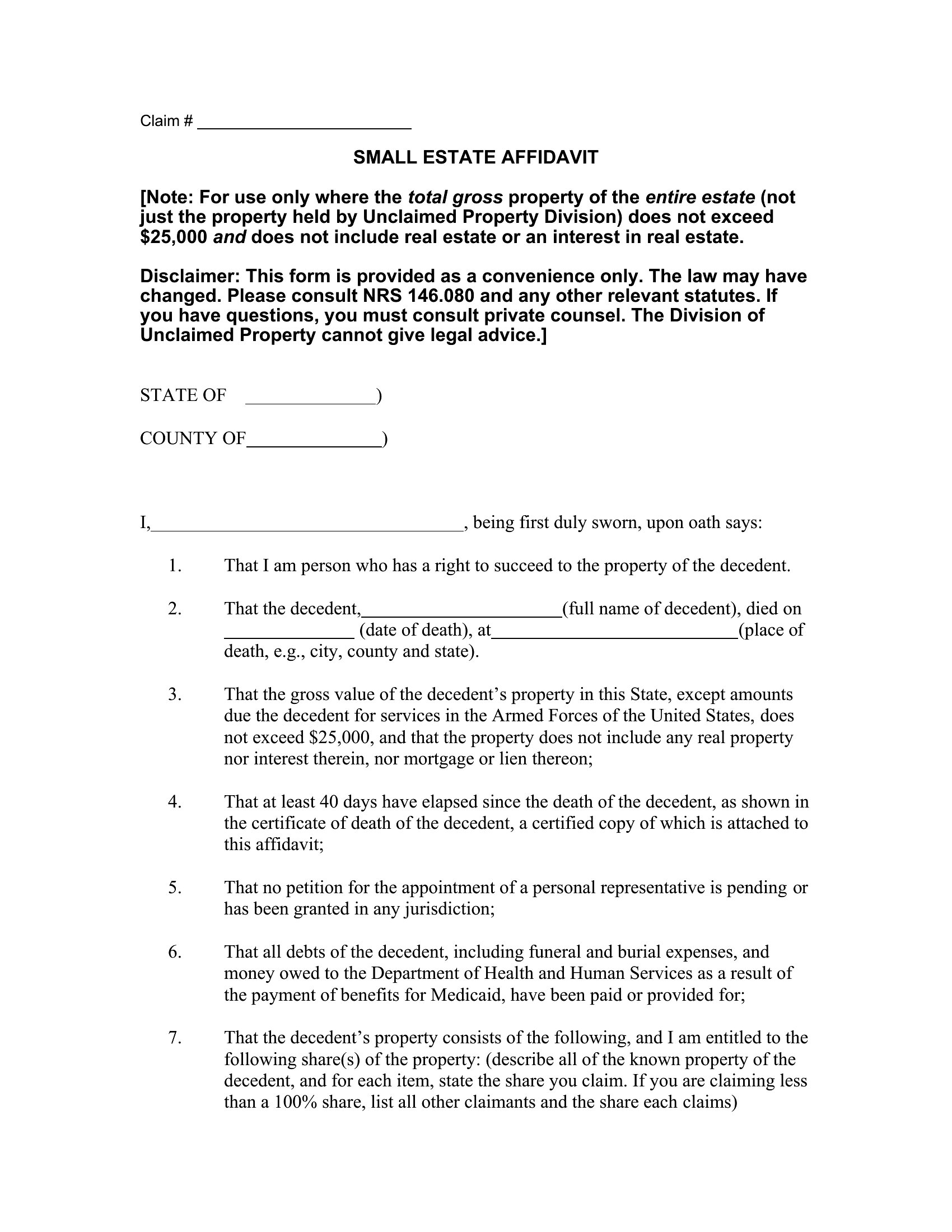
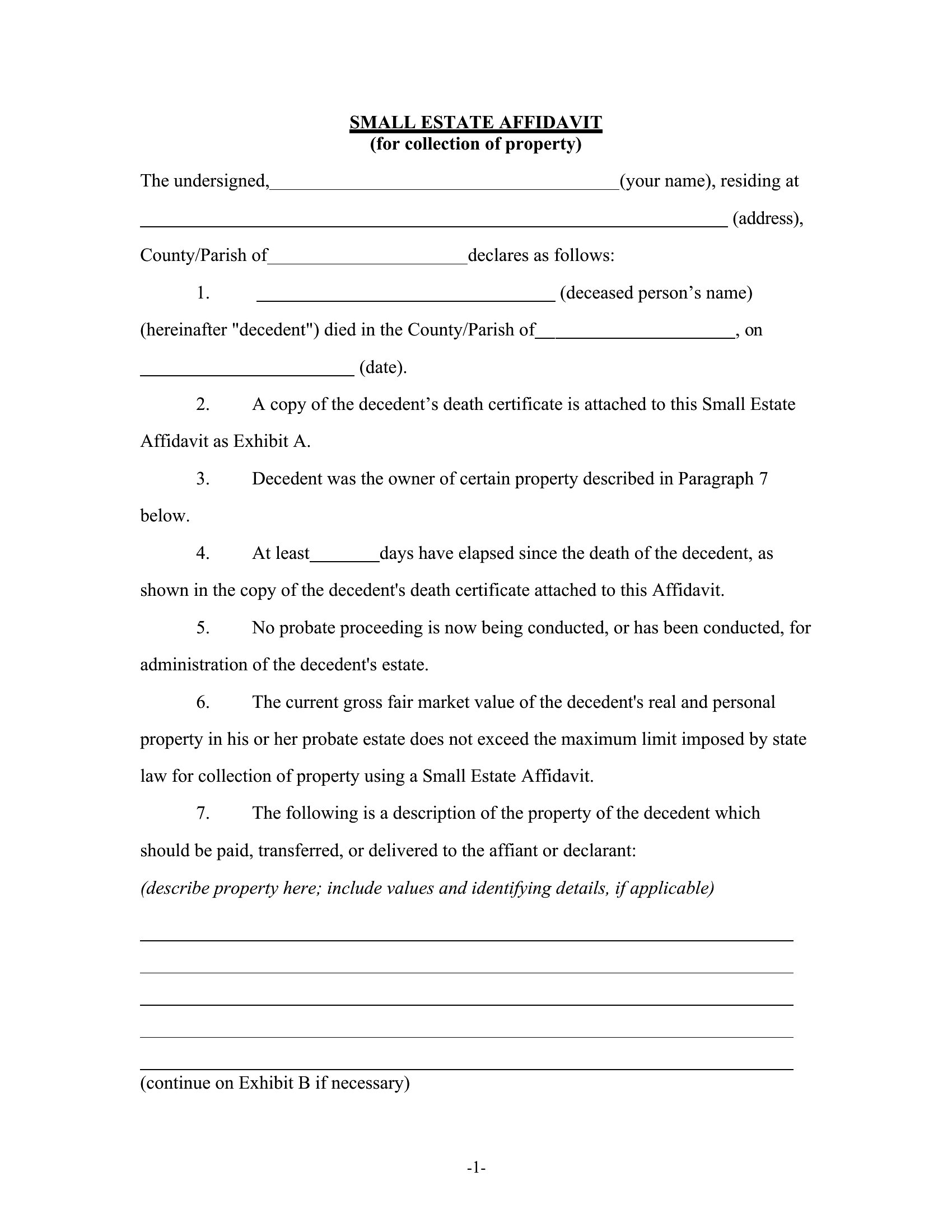
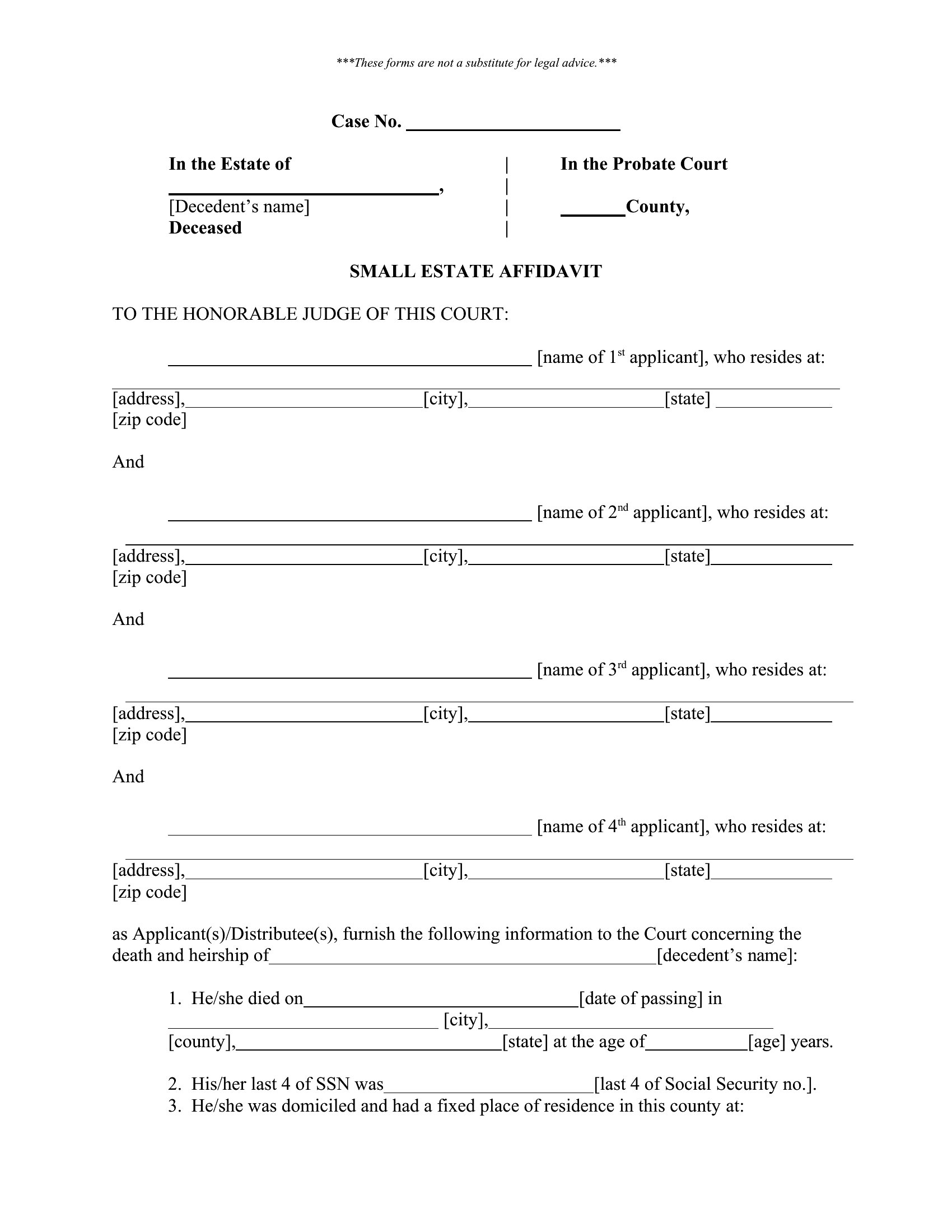
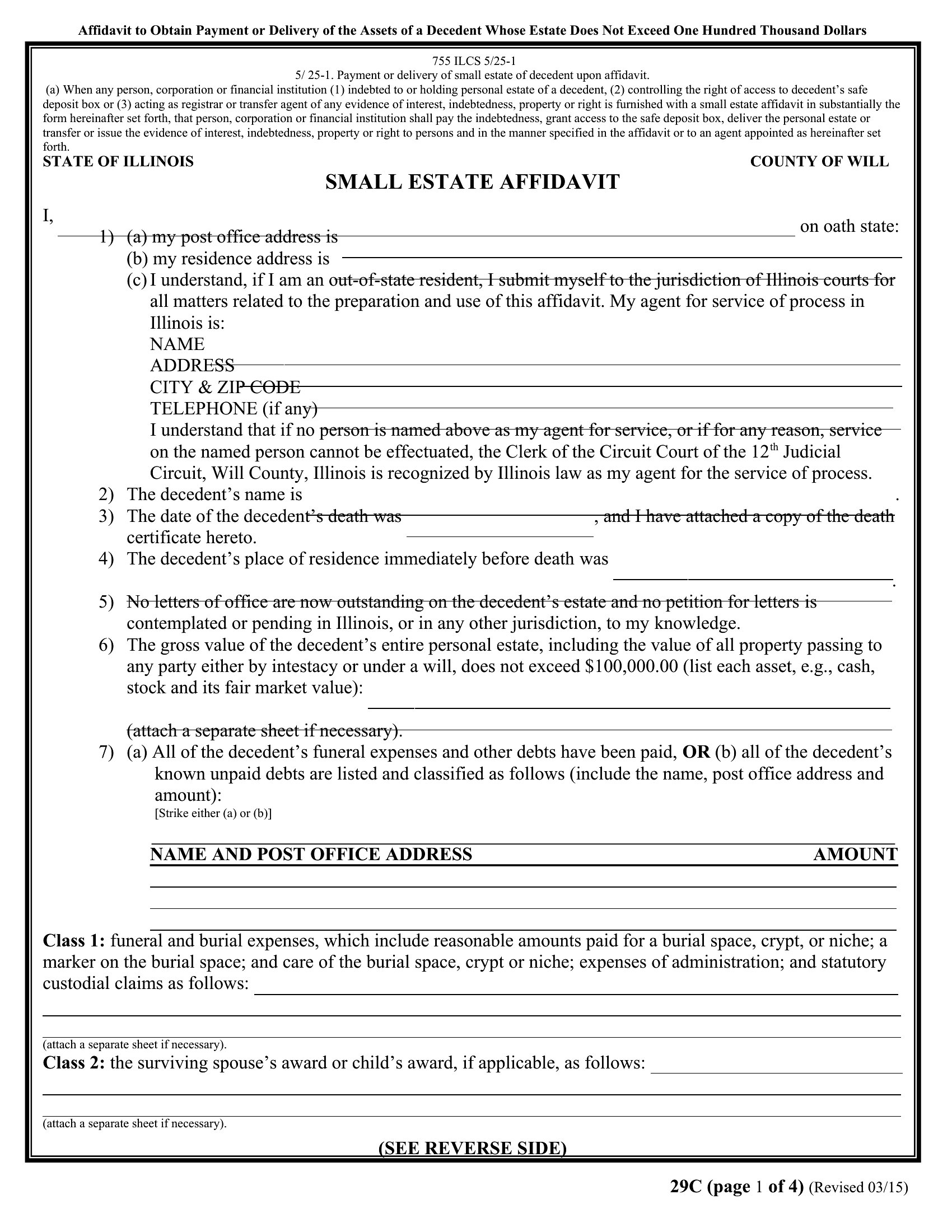
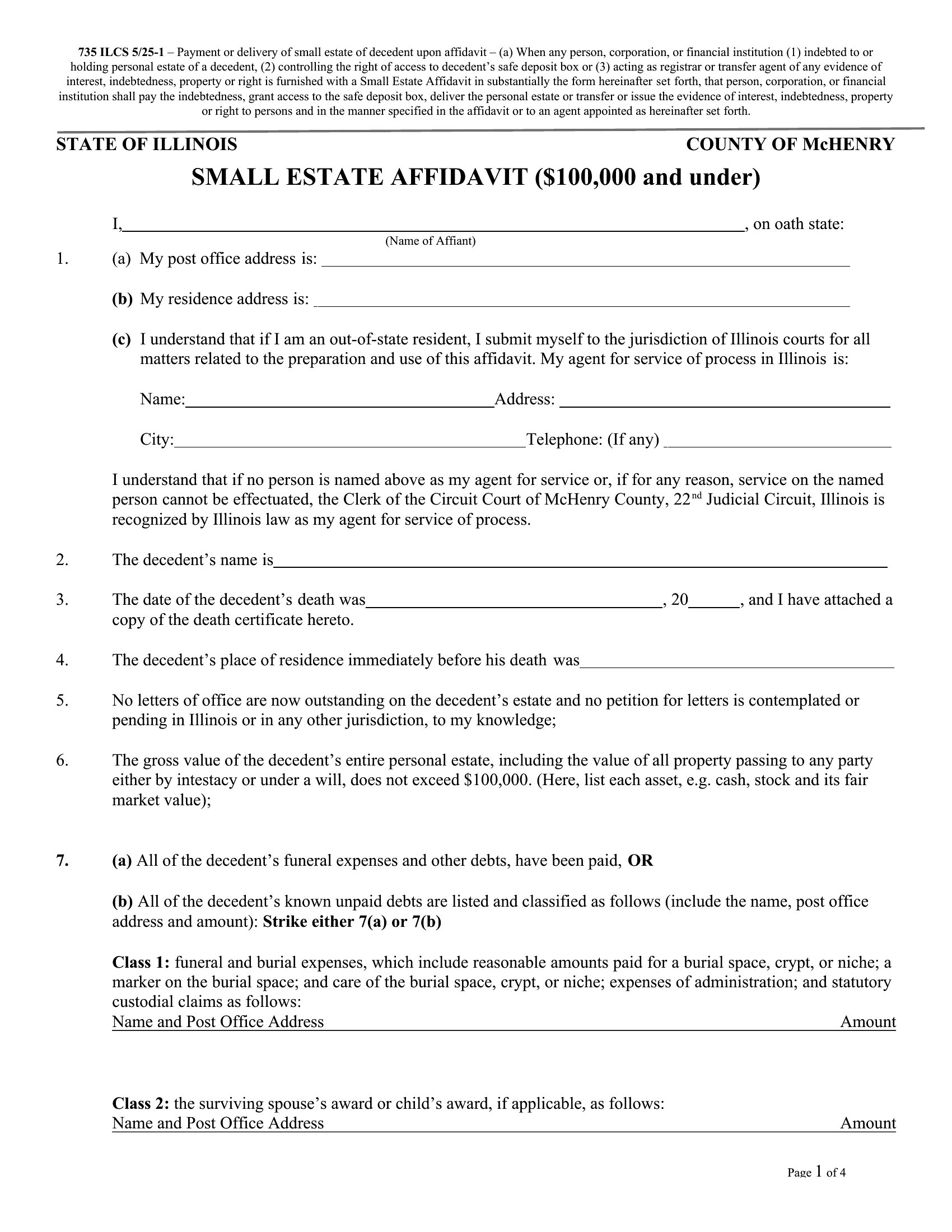
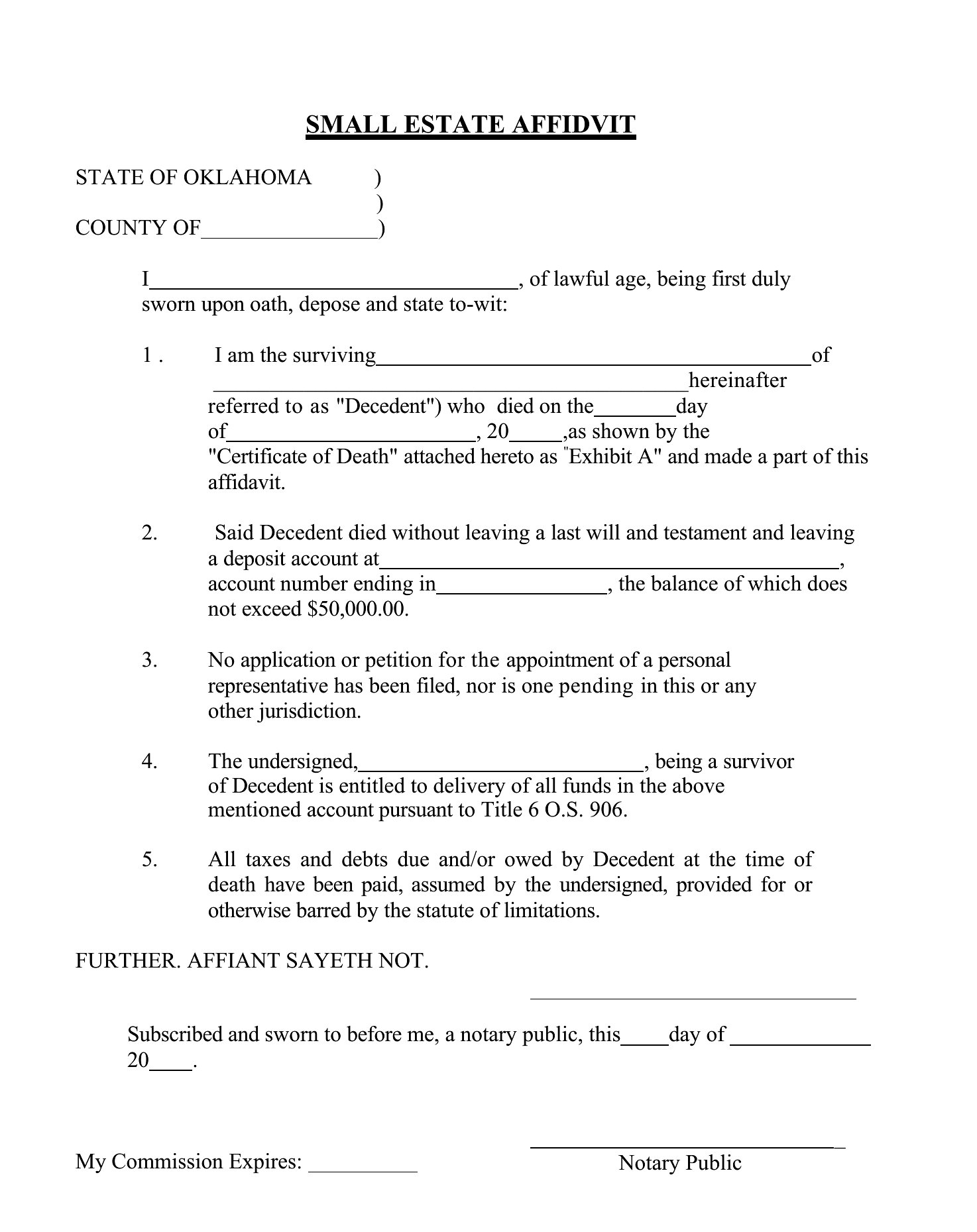
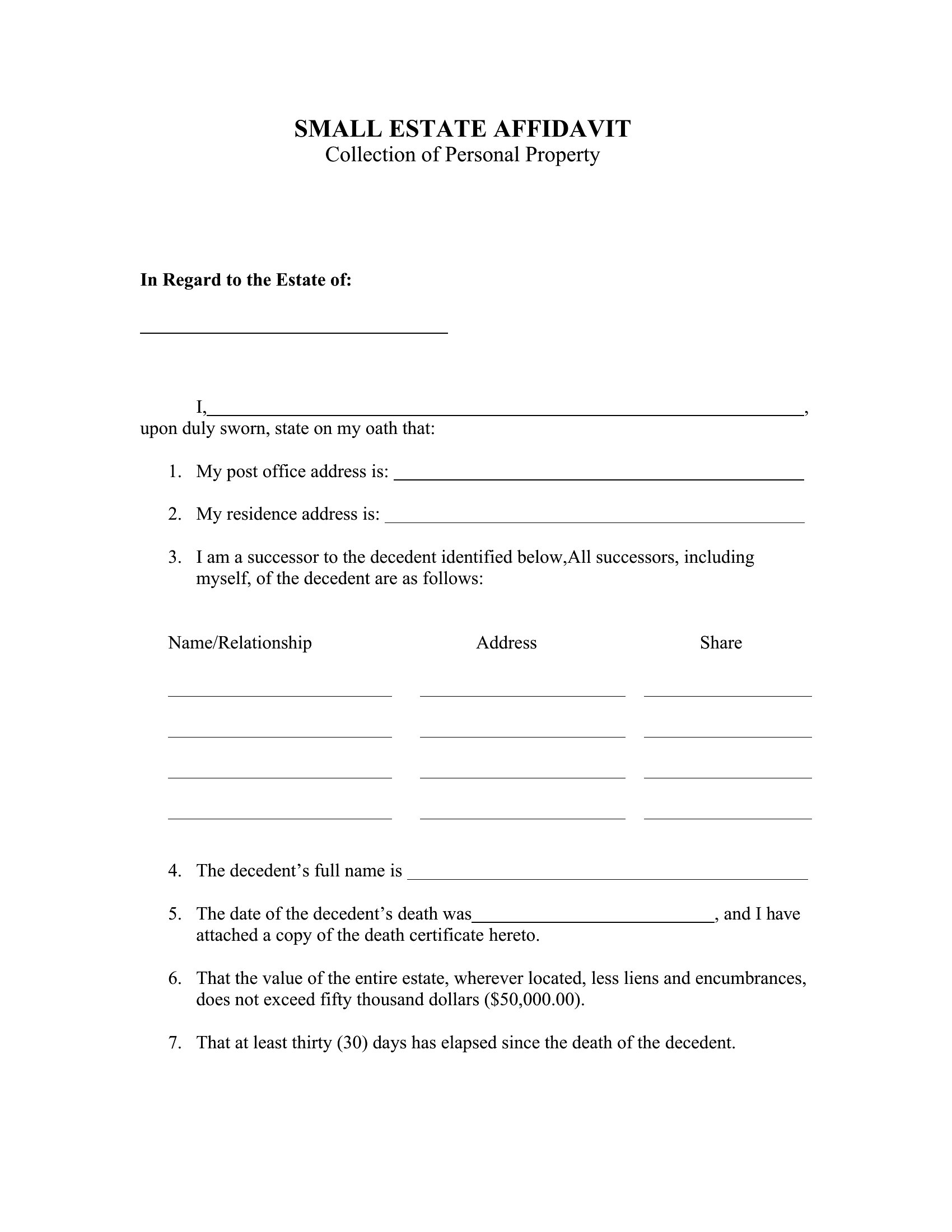
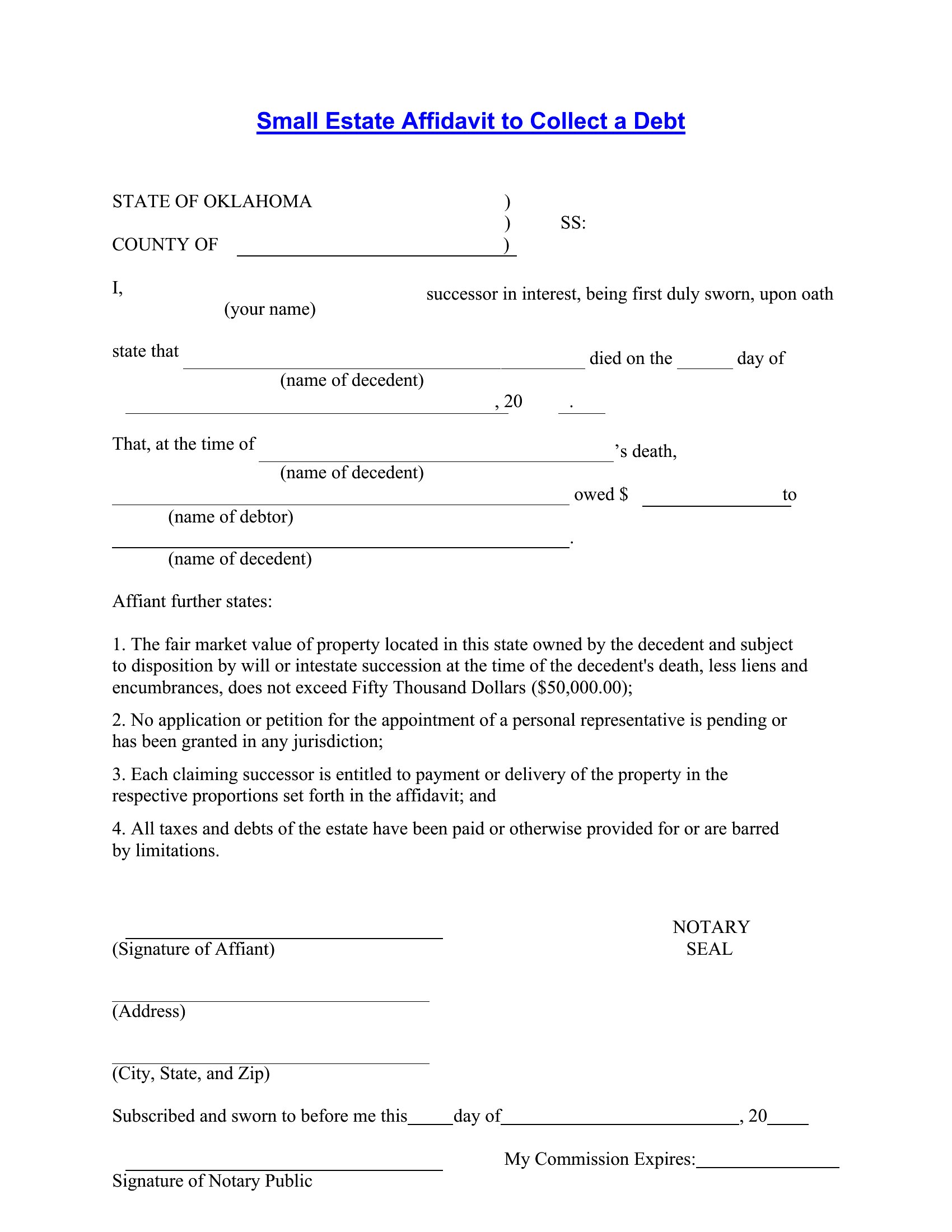
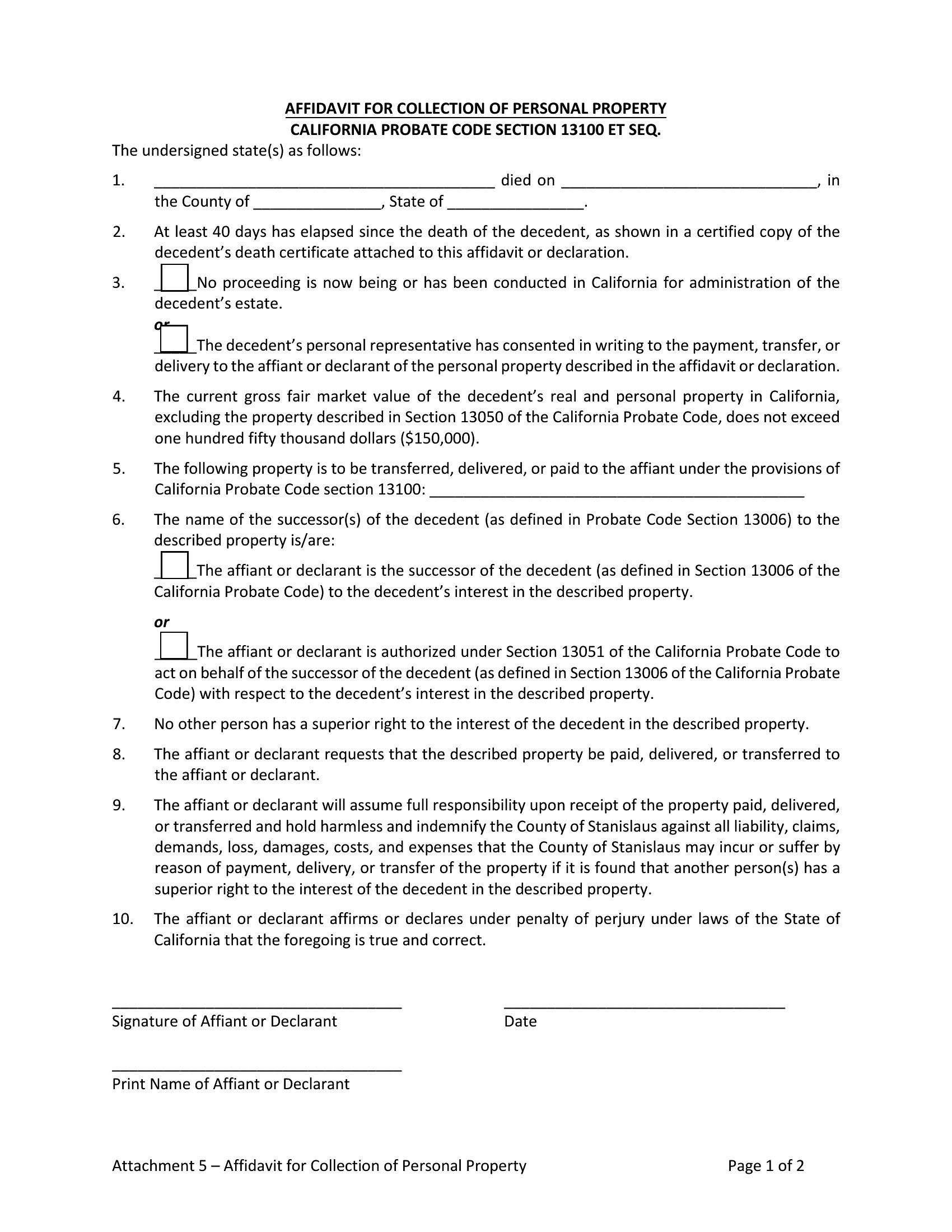
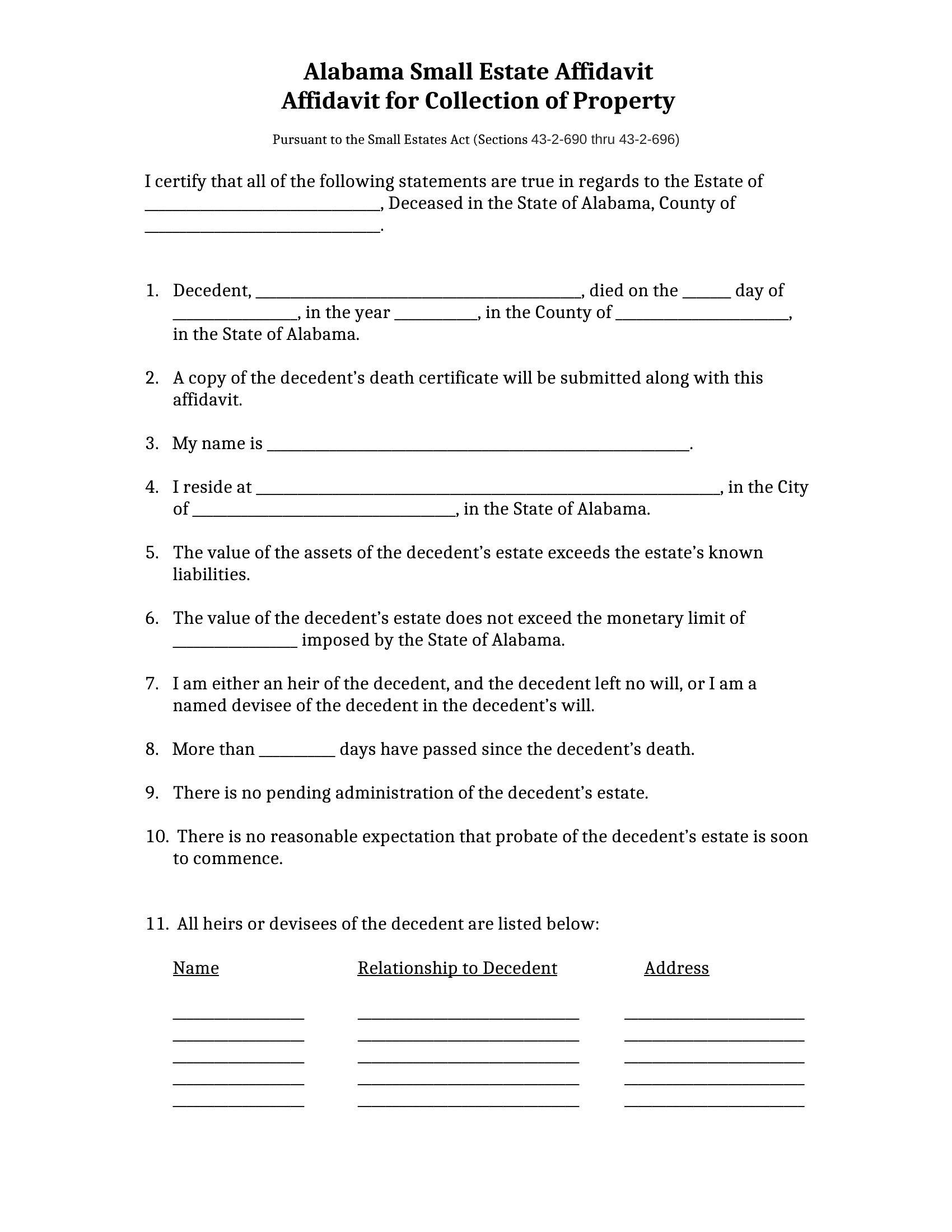
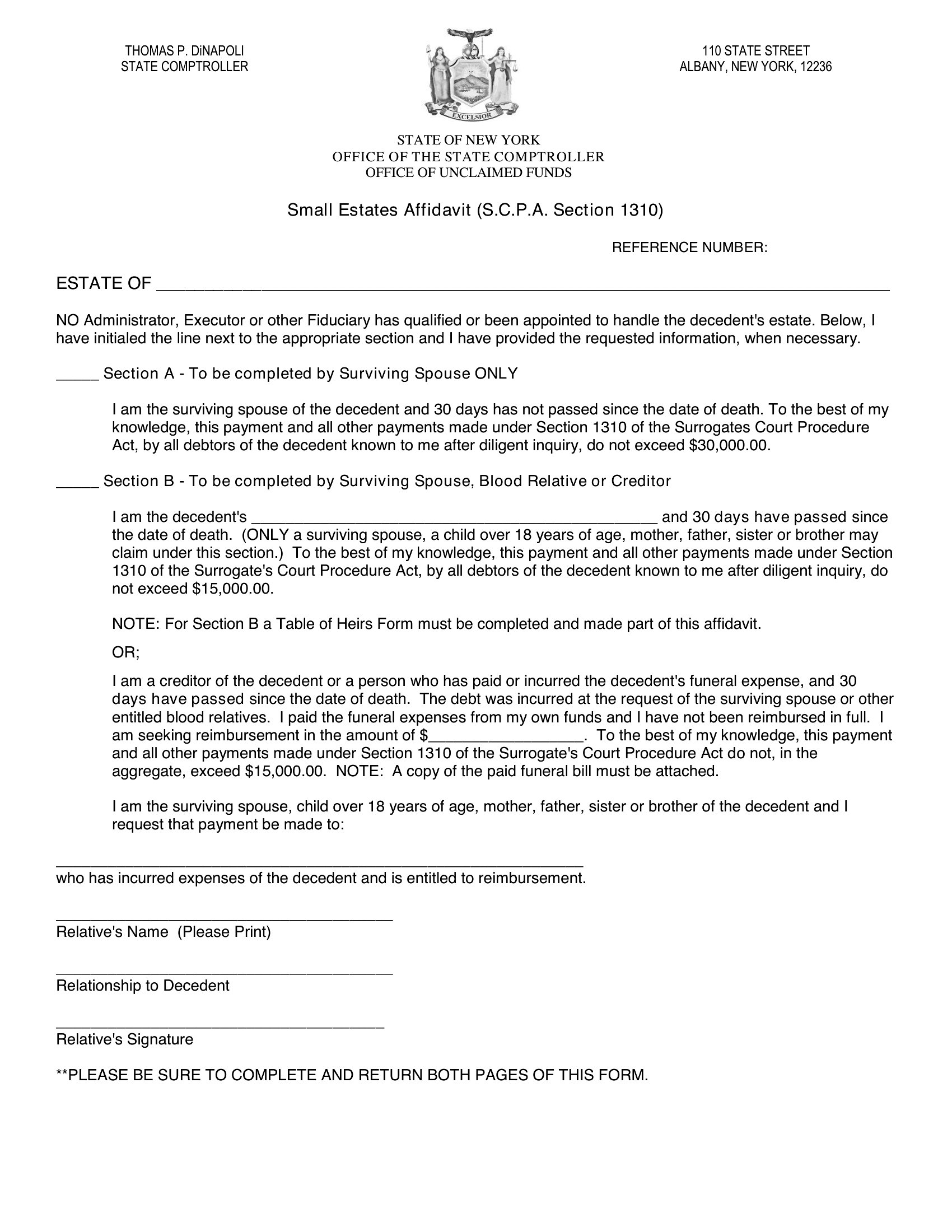
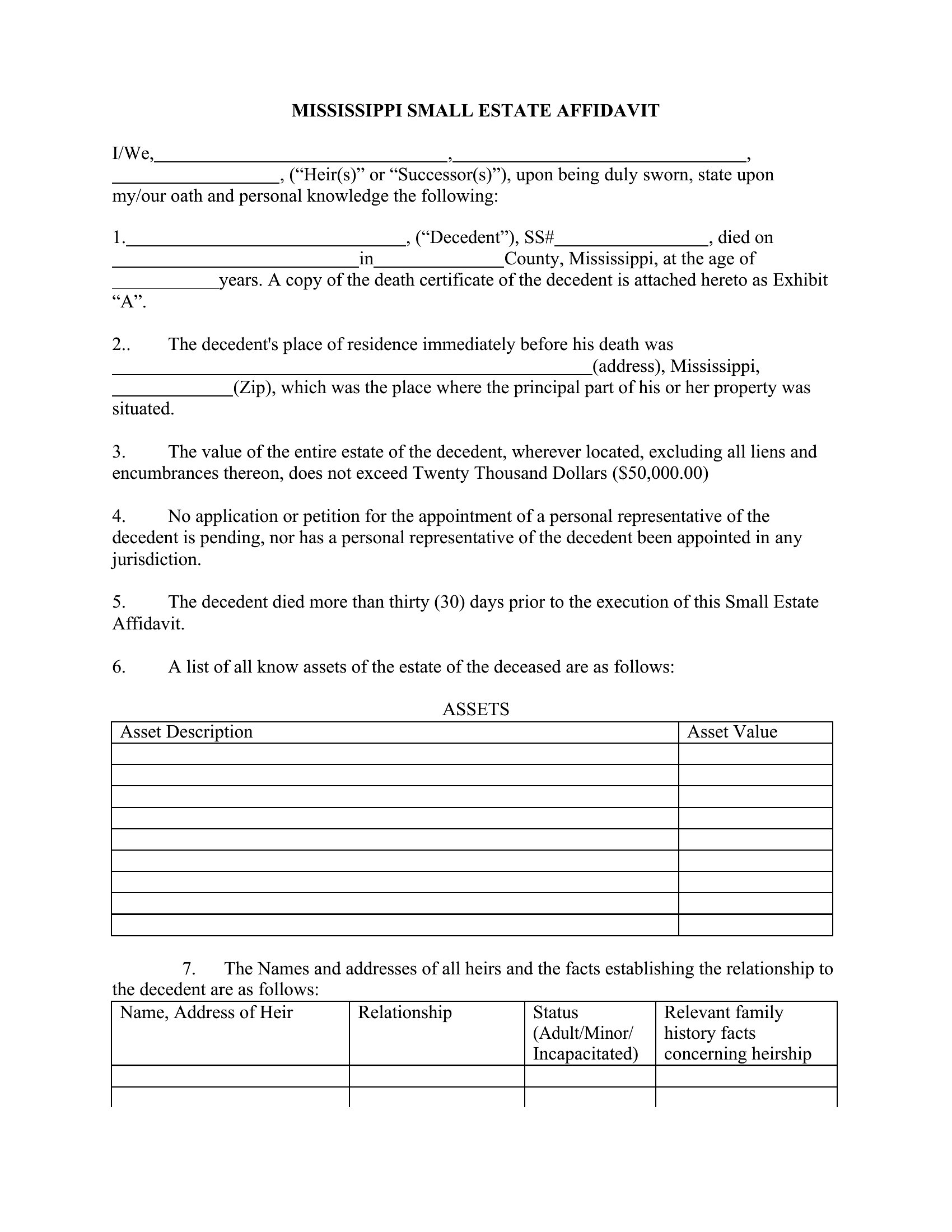
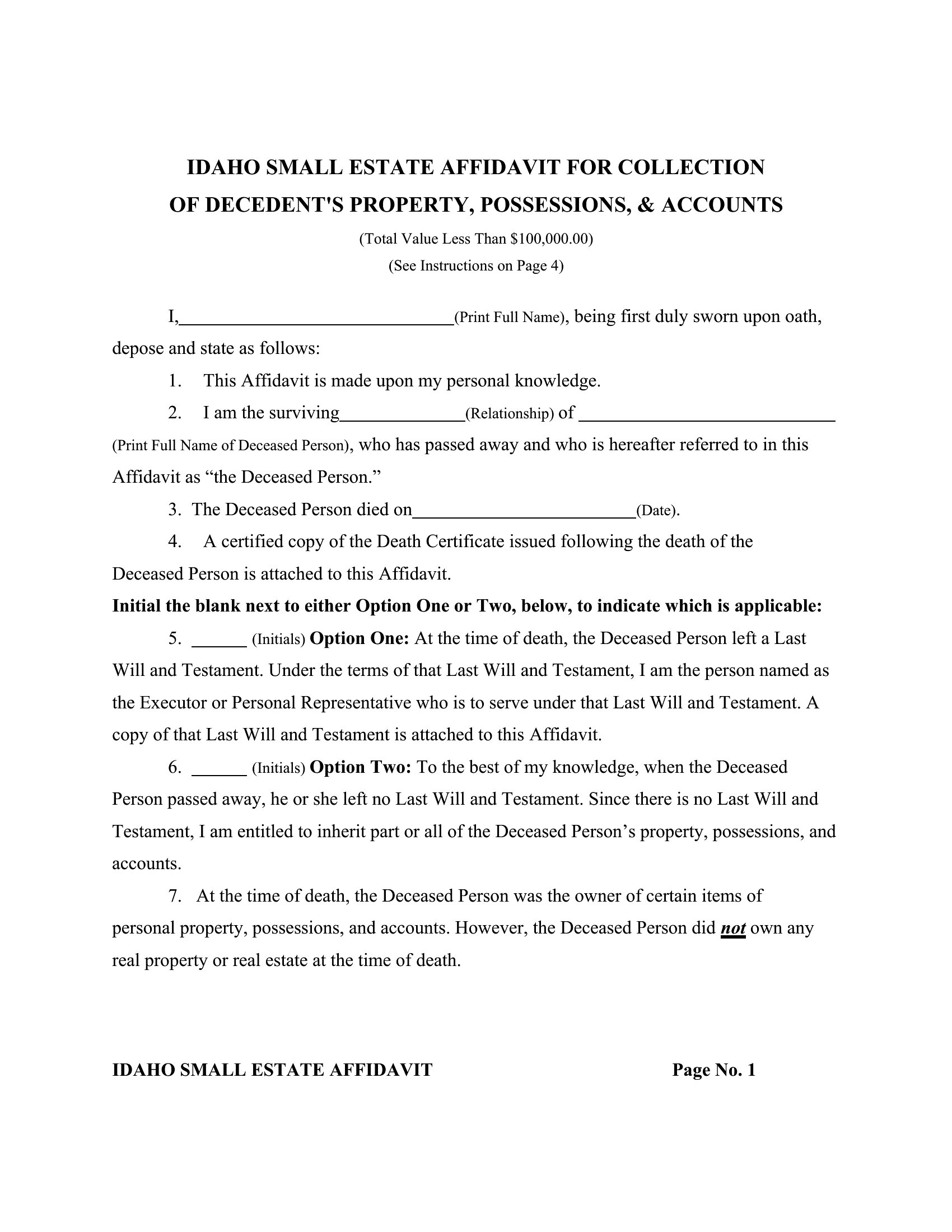
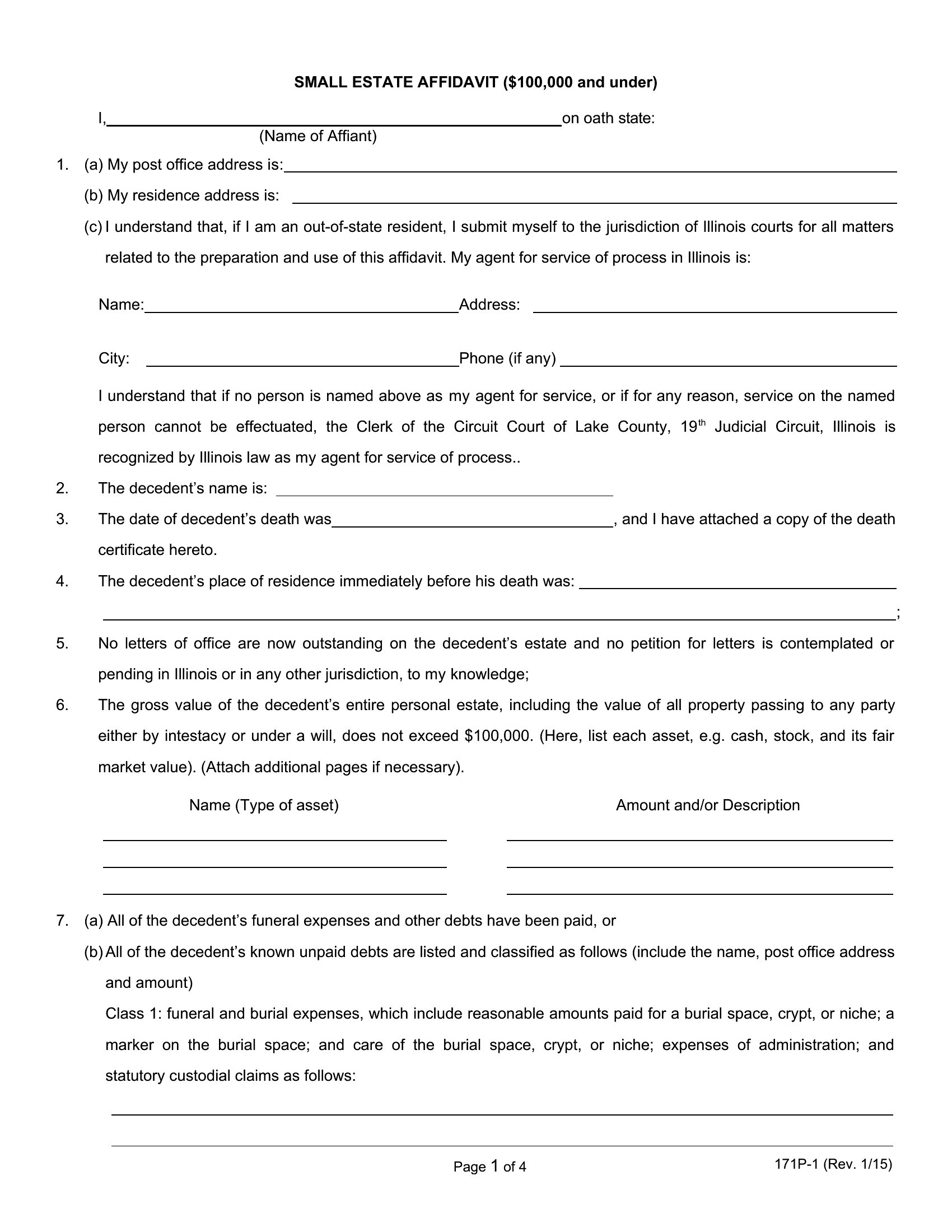
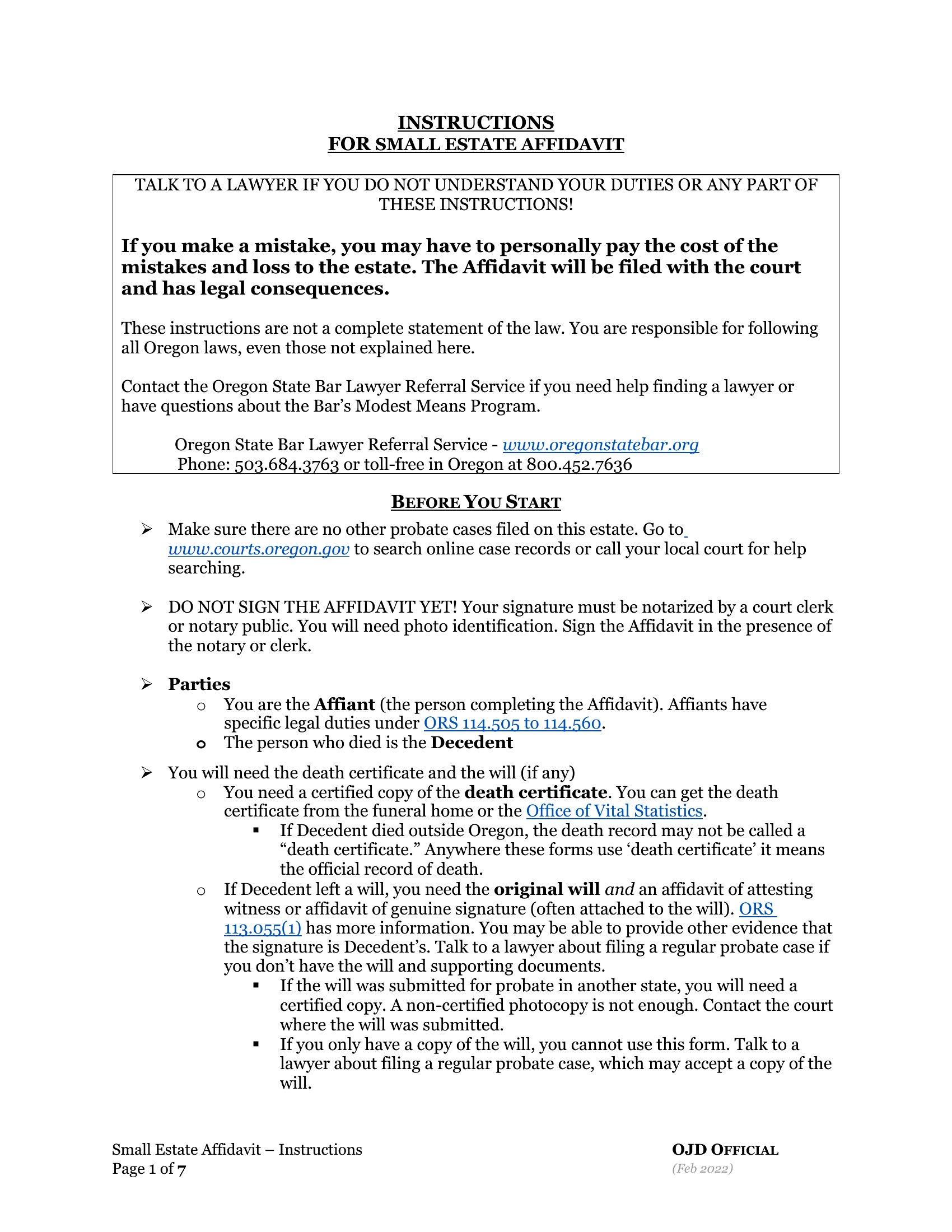
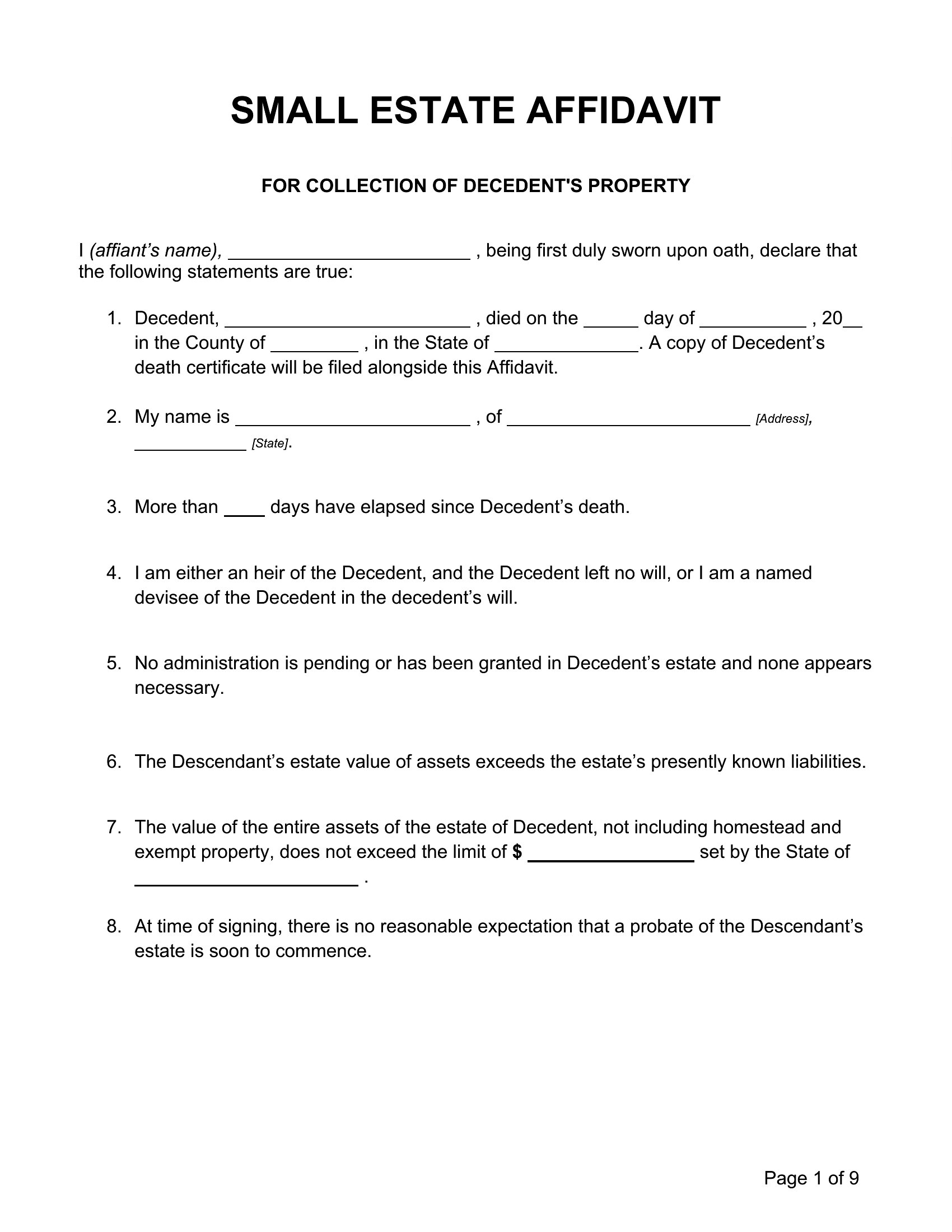
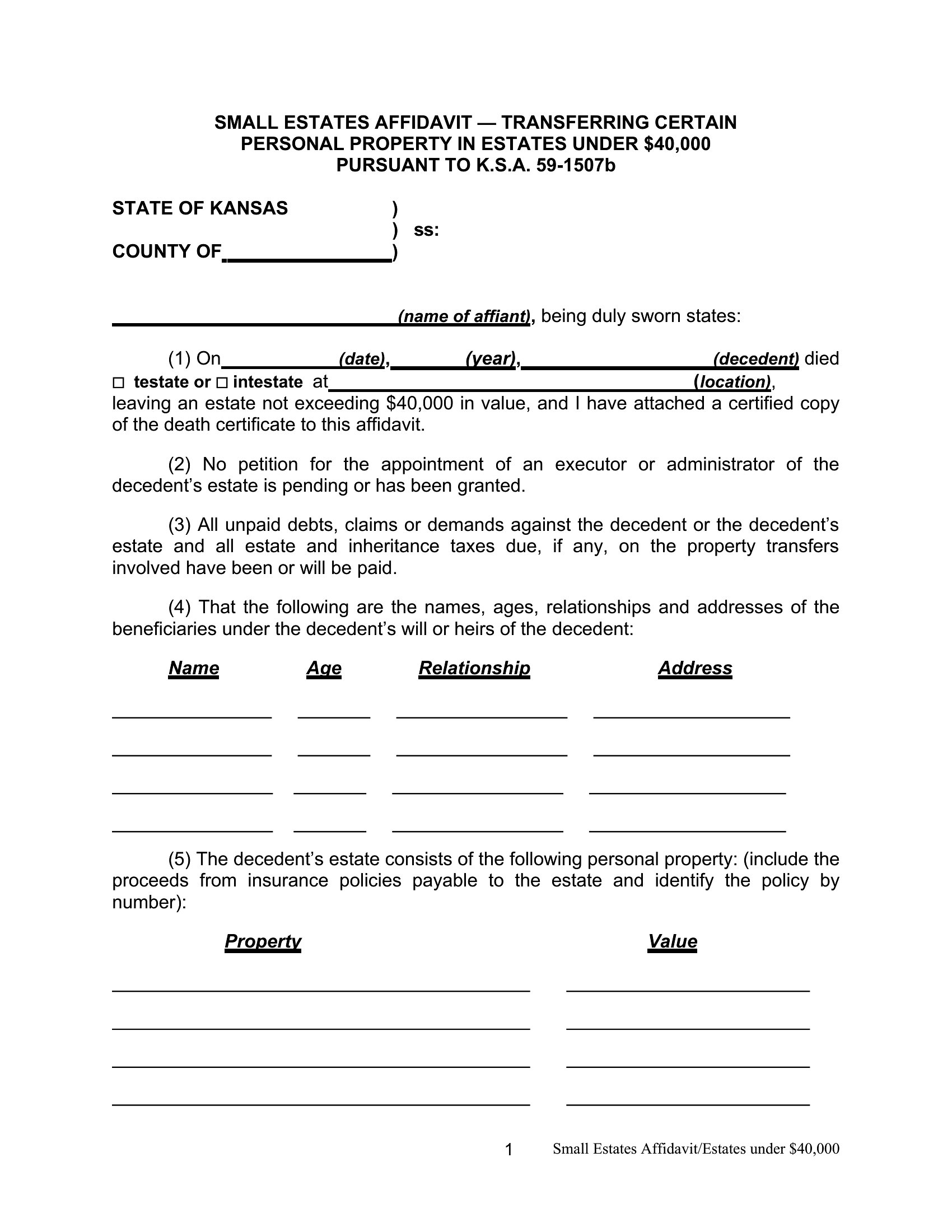
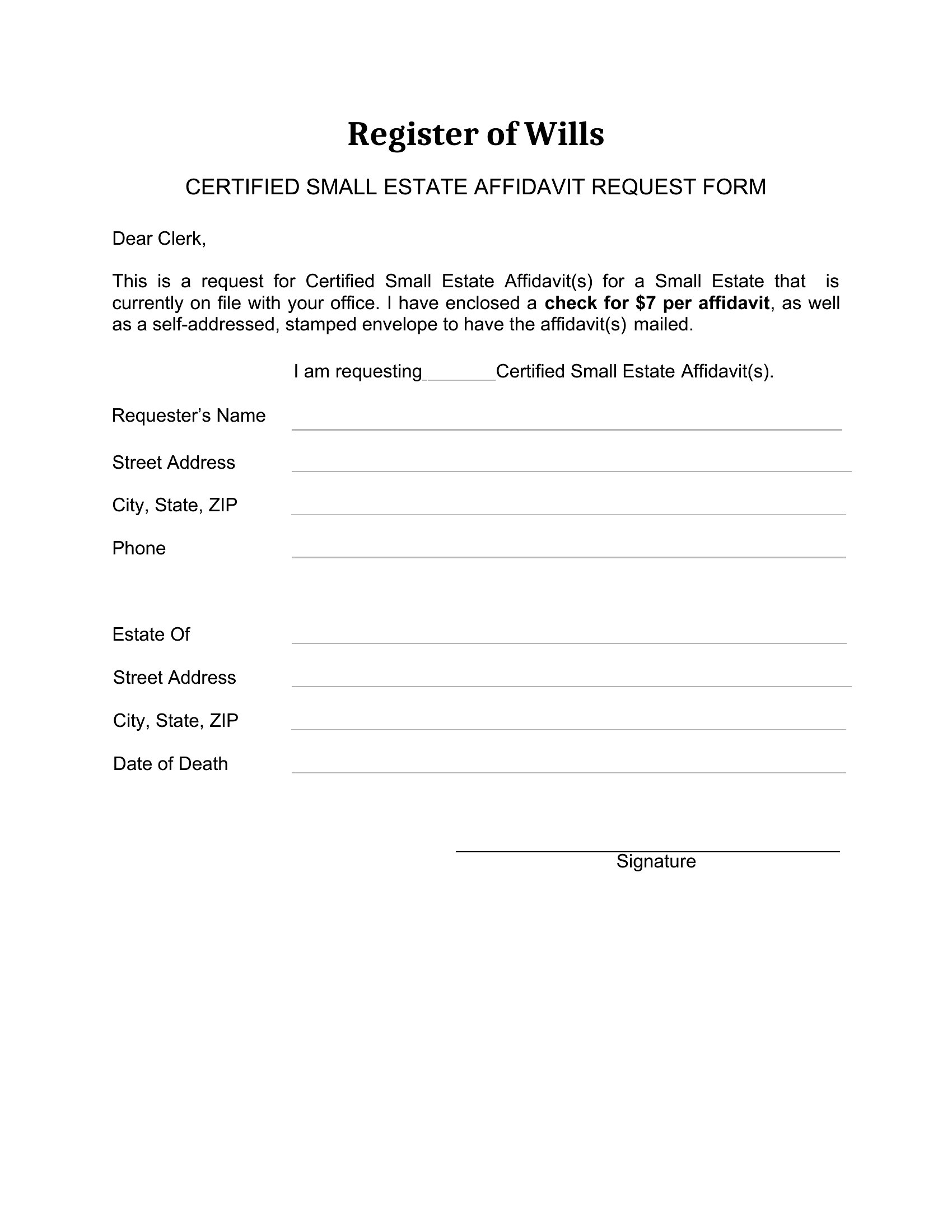
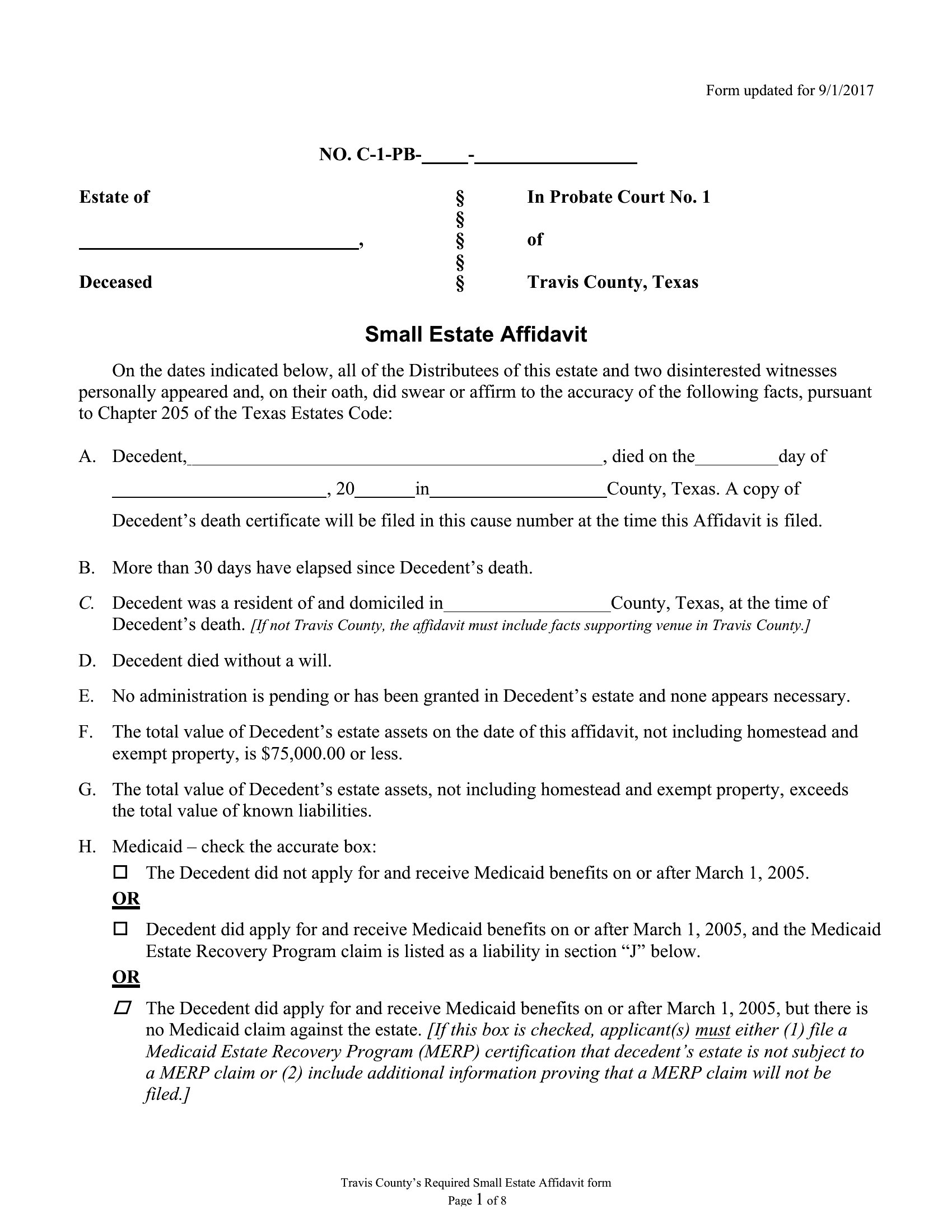
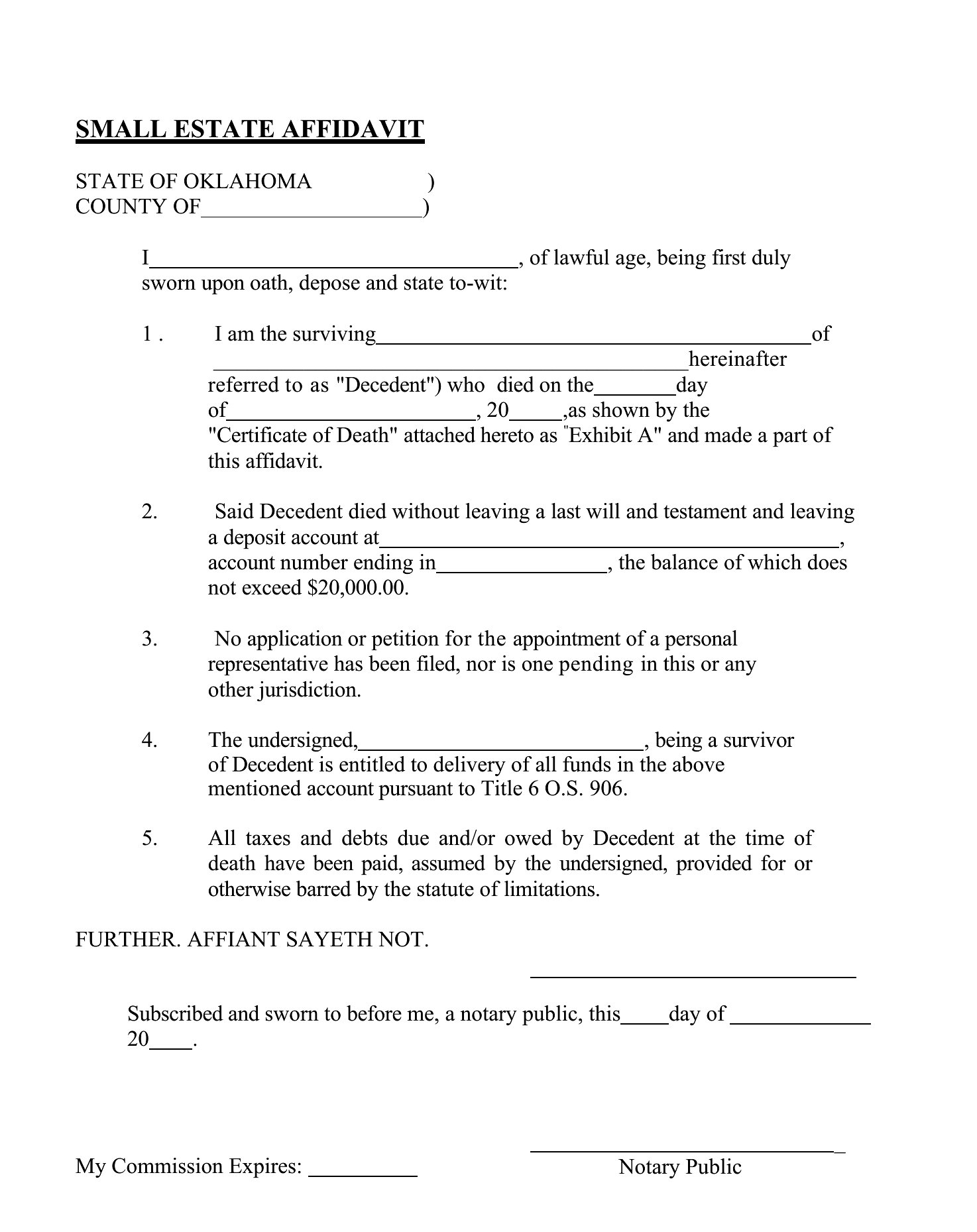
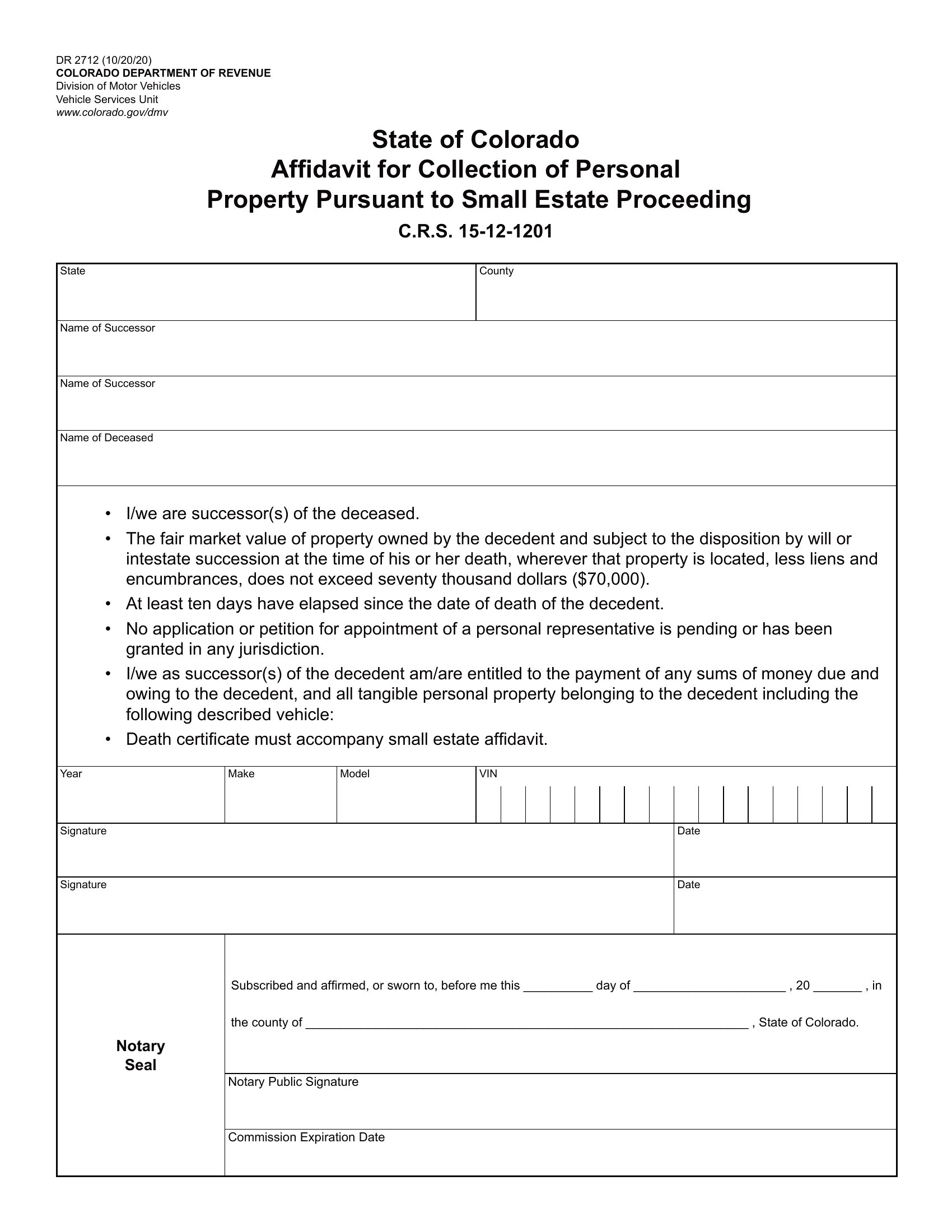
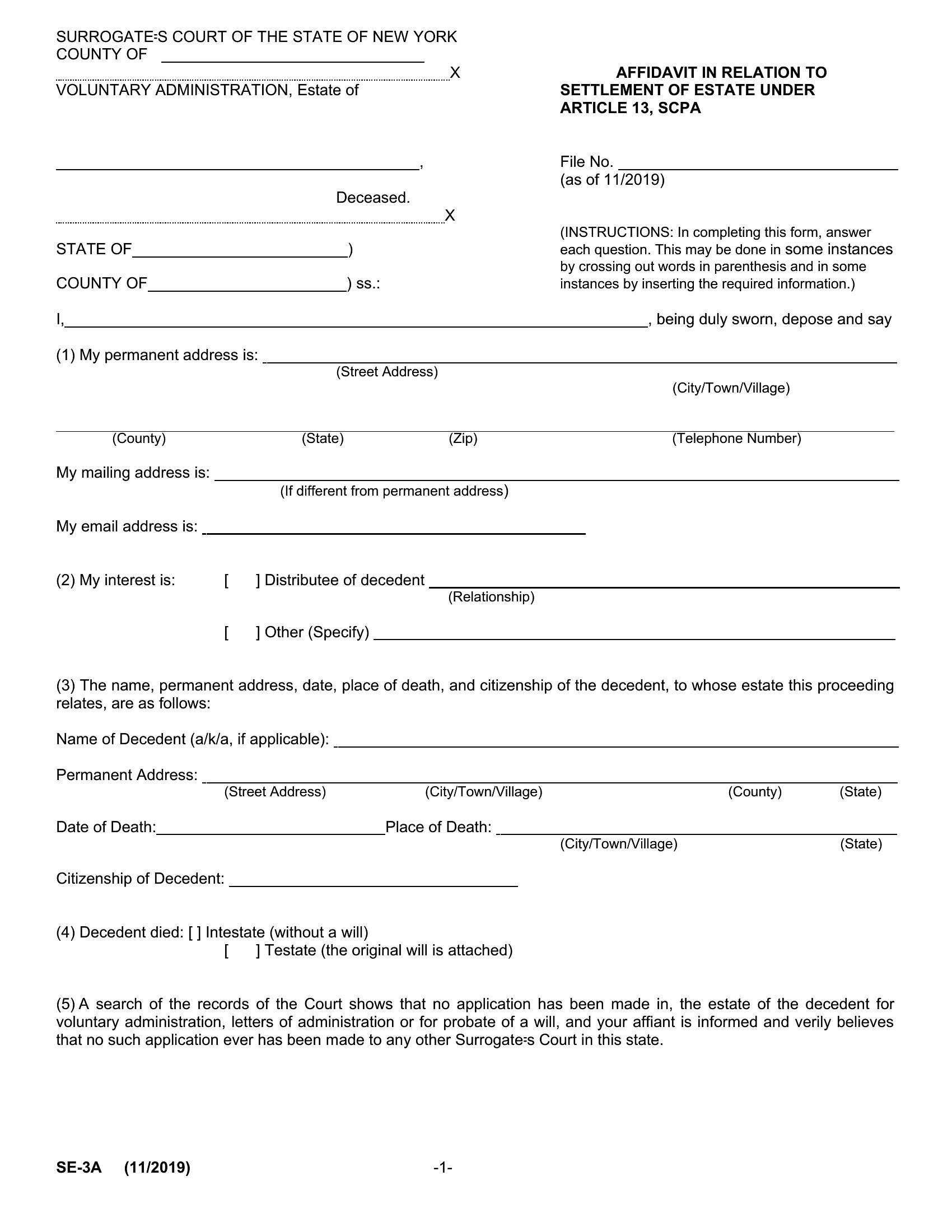
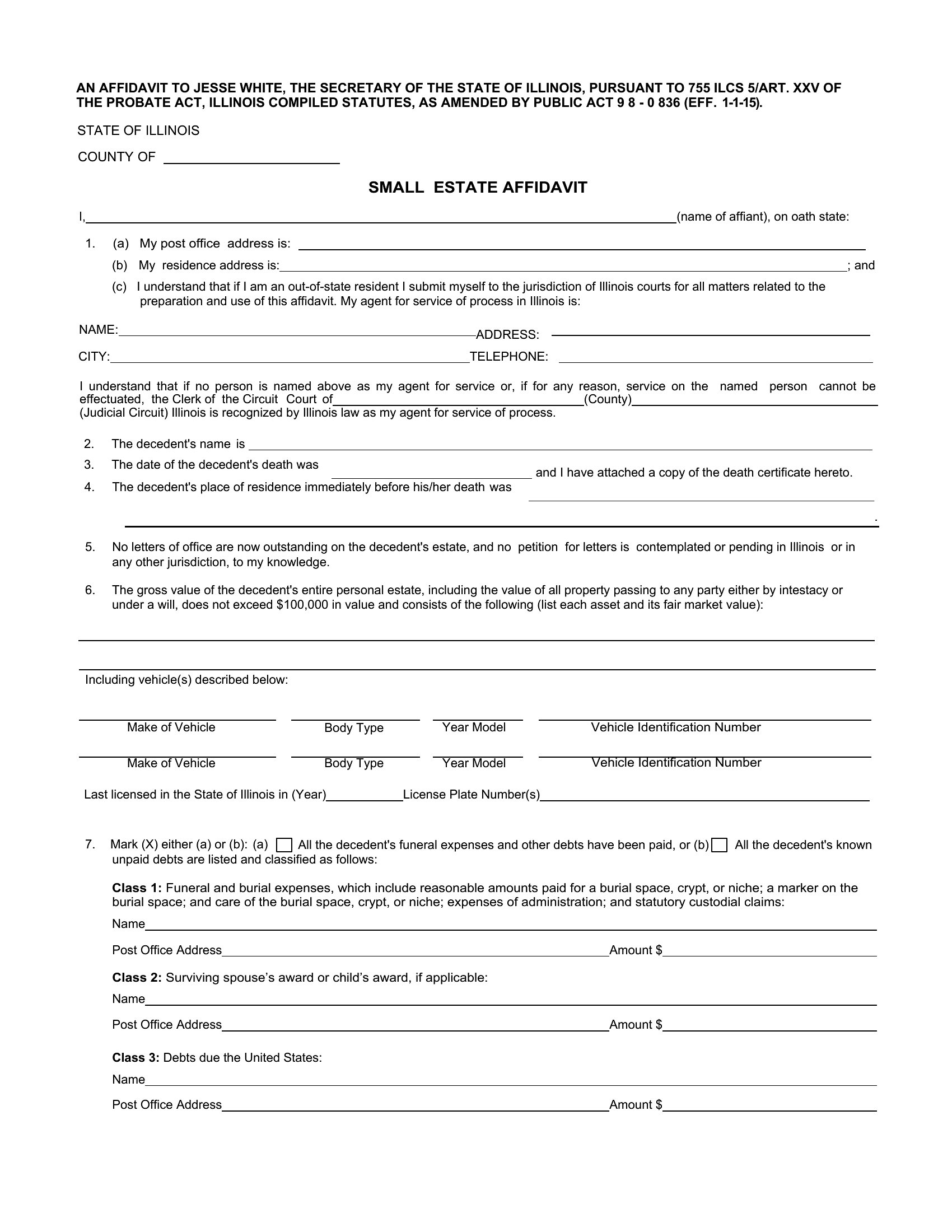
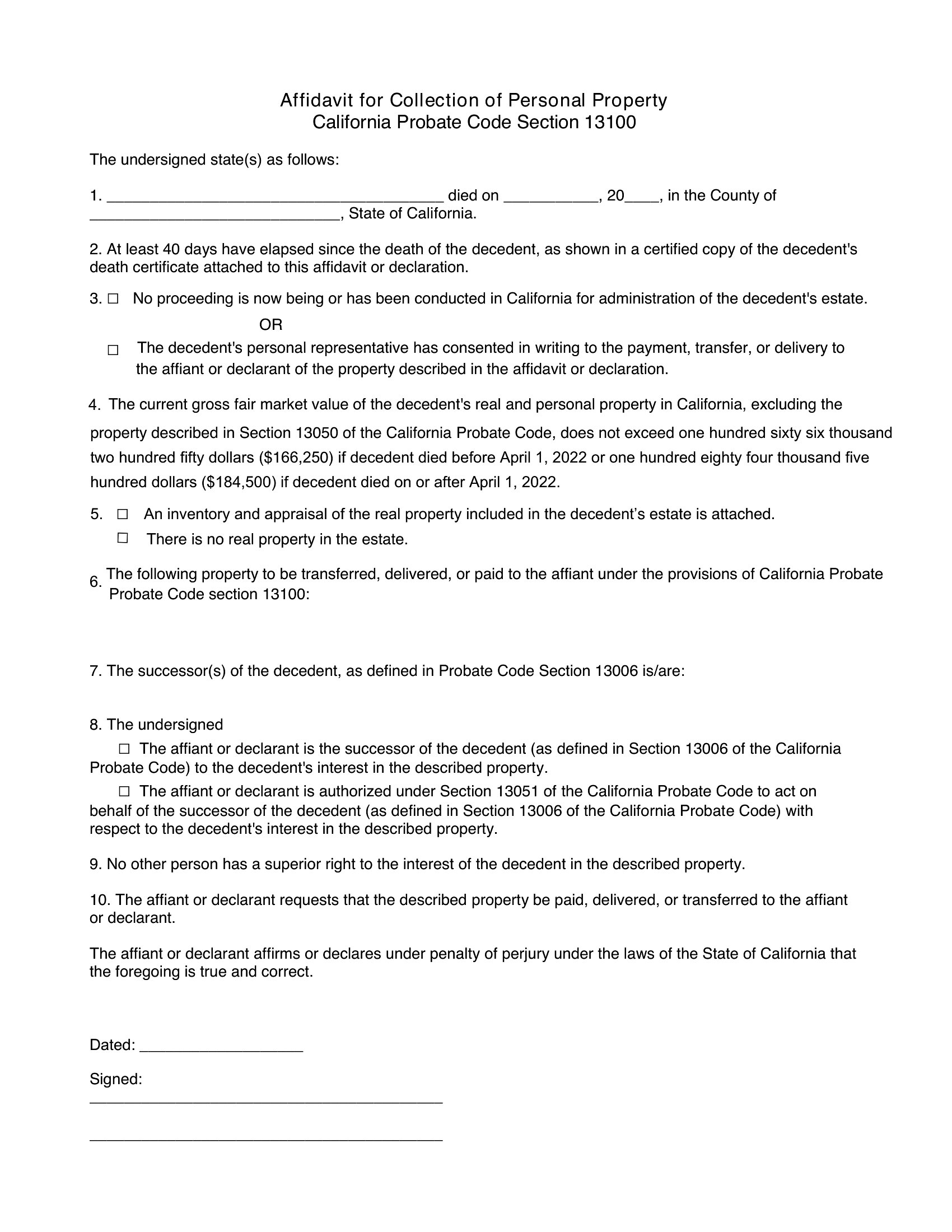
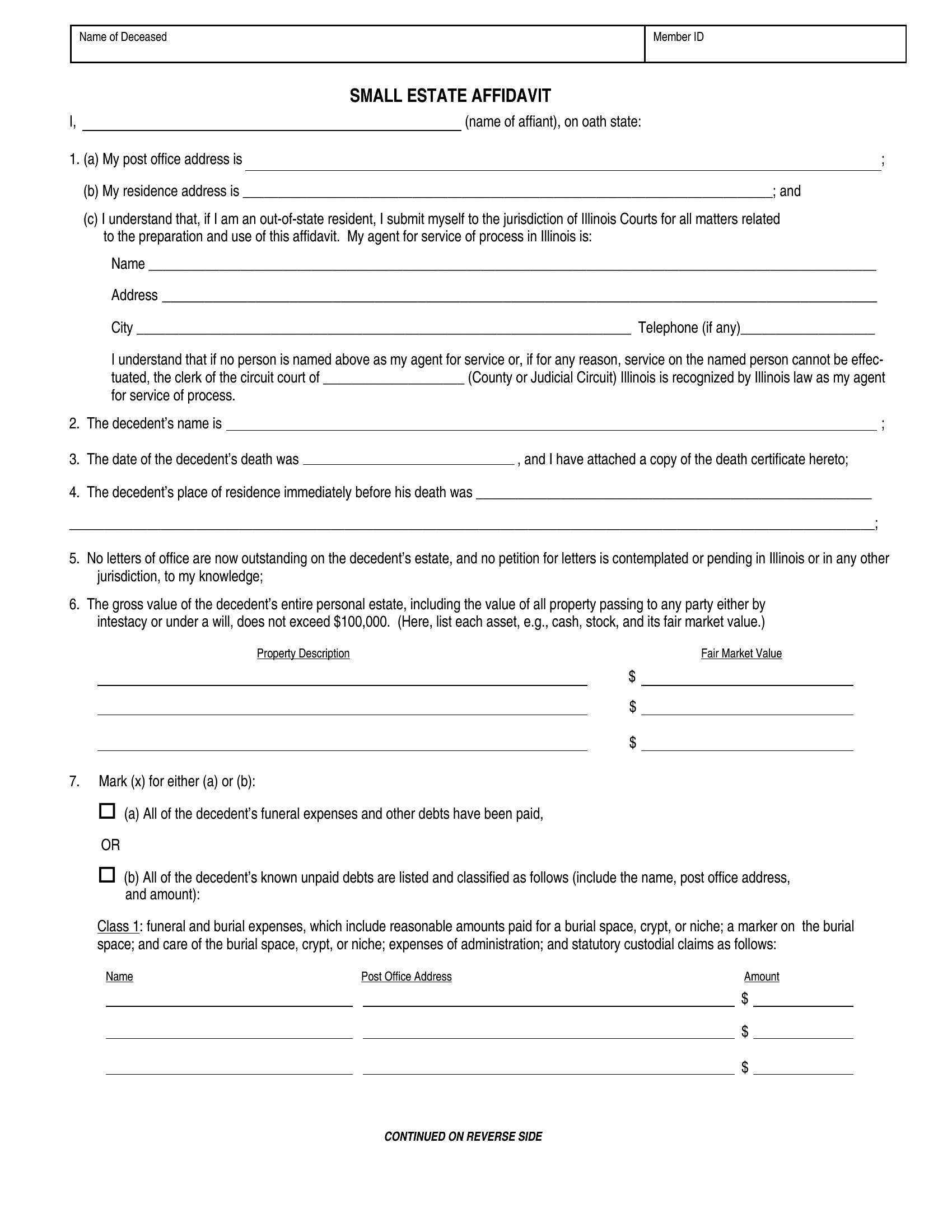
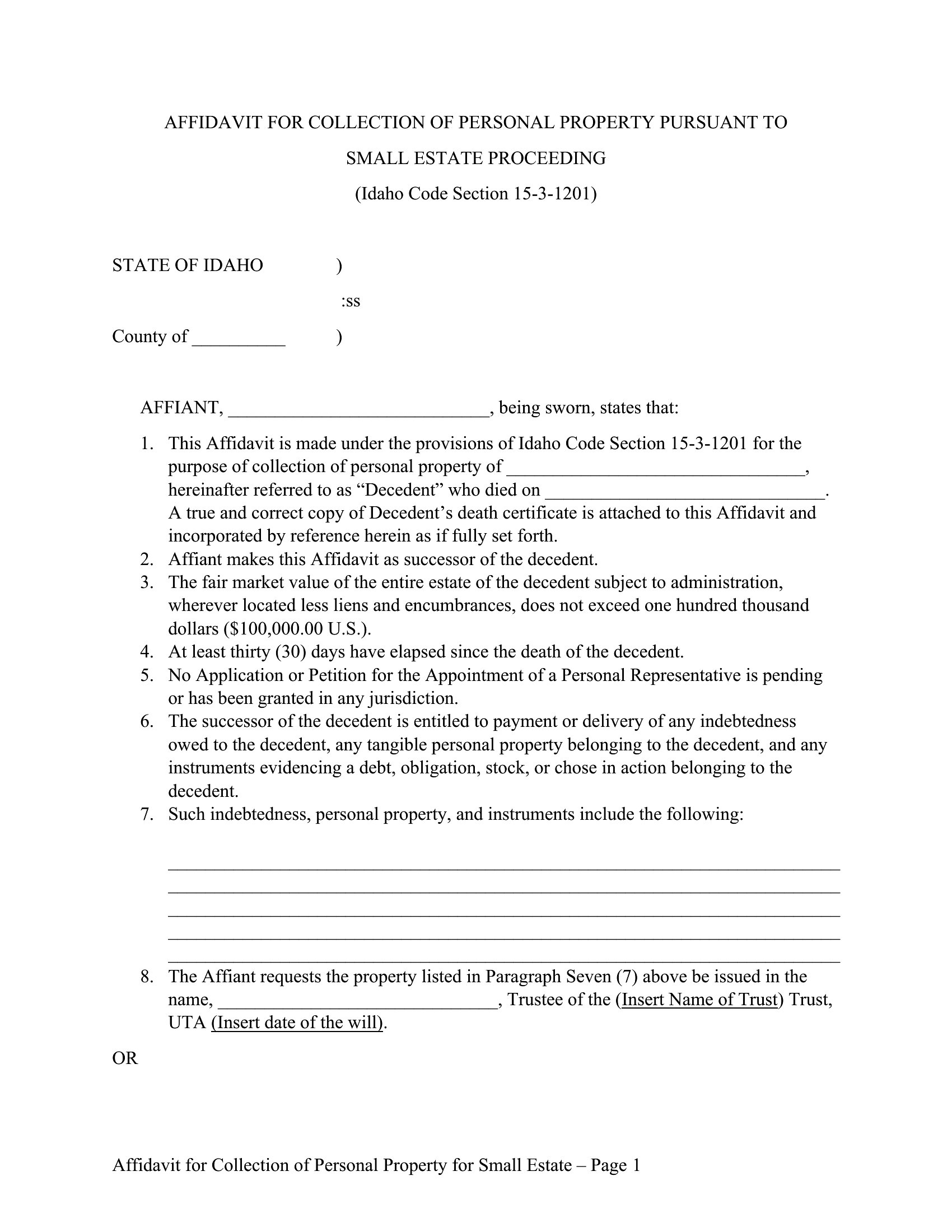
When someone passes away leaving a modest estate, a small estate affidavit can let heirs claim assets without a full probate case. These 52 templates give family members and executors a form to identify the deceased, list the assets, and declare their right to collect them under a state's small-estate threshold. Layouts cover bank accounts, vehicles, and personal property.
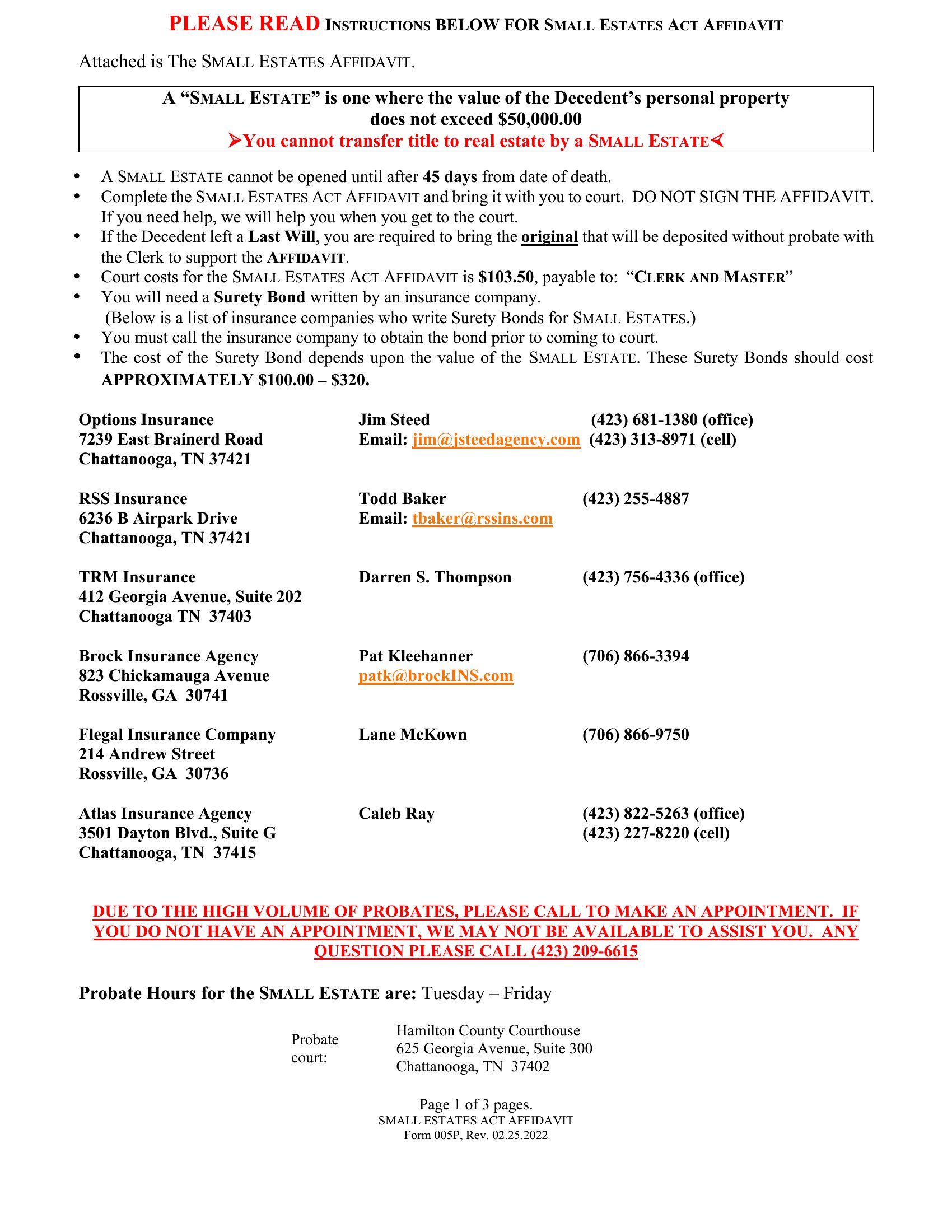
Editable Word files let you fill in the names and assets, while the PDFs print clean for signing and notarizing. Small-estate limits, waiting periods, and accepted forms differ significantly by state, so confirm your local rules and dollar thresholds before you file. Download the version that fits your situation and start the process with an organized, signature-ready document.
When to use this Small Estate Affidavit template
- A spouse or child in California with under $184,500 in assets needs to quickly transfer the deceased’s bank account without probate. The affidavit helps bypass court delays.
- An executor in Texas handling a modest estate with a vehicle and household goods uses the form to legally claim property under the $75,000 limit.
- A co-owner of a small business in Florida, where assets total $50,000, files the affidavit to avoid probate and distribute equipment or inventory efficiently.
- Adult children in New York, inheriting a parent’s modest home (valued under $30,000), use the affidavit to transfer the deed and avoid probate court costs.
Which format should I download?
The Word format is ideal for most users—it’s fully editable, allowing you to customize details like asset values, heirs’ names, or state-specific thresholds. Choose PDF only if you need a print-ready fillable form that preserves formatting (like tables or signatures) without further editing. PDFs are best for final submissions to banks or courts after reviewing the Word version for accuracy. Avoid mixing formats; always use Word for drafting and PDF for submission.
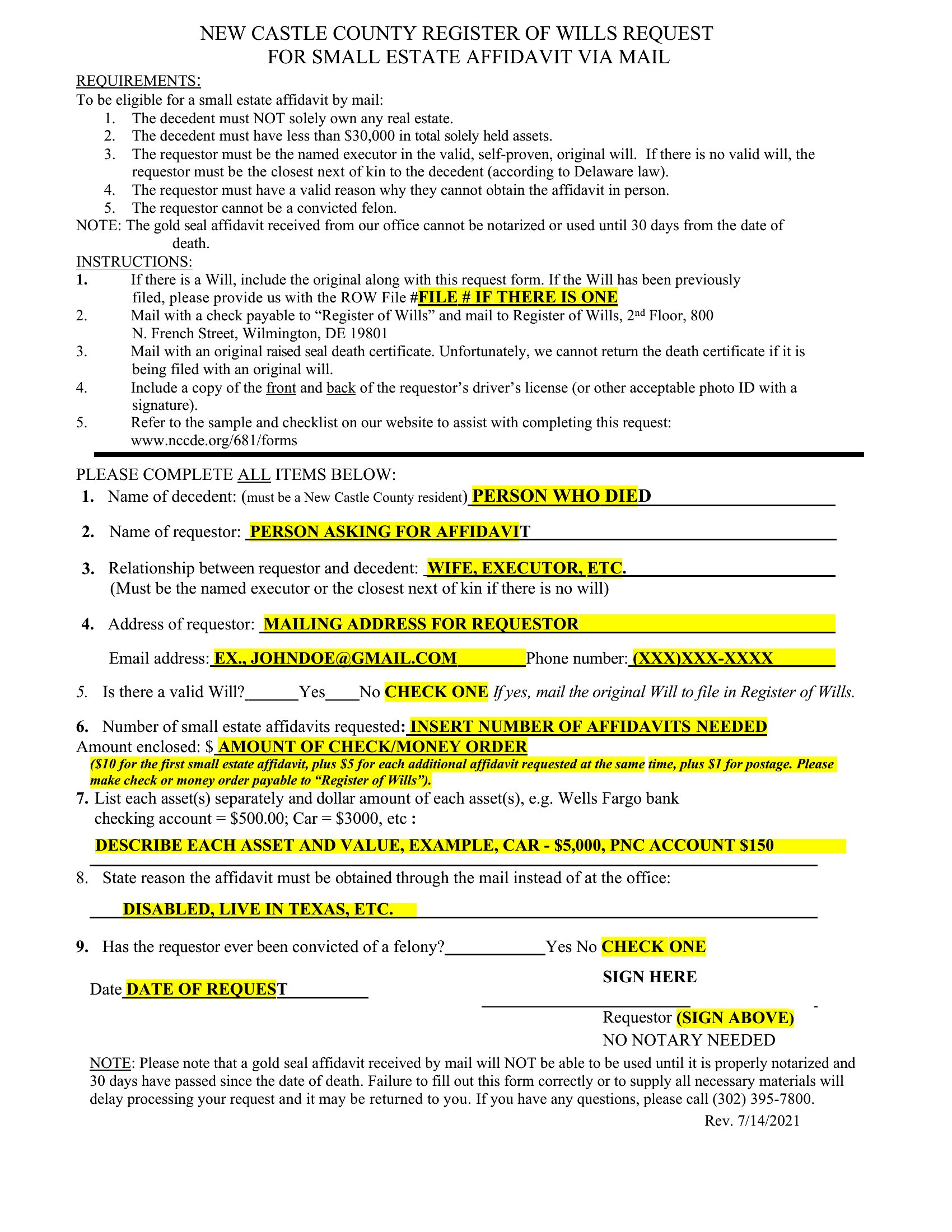
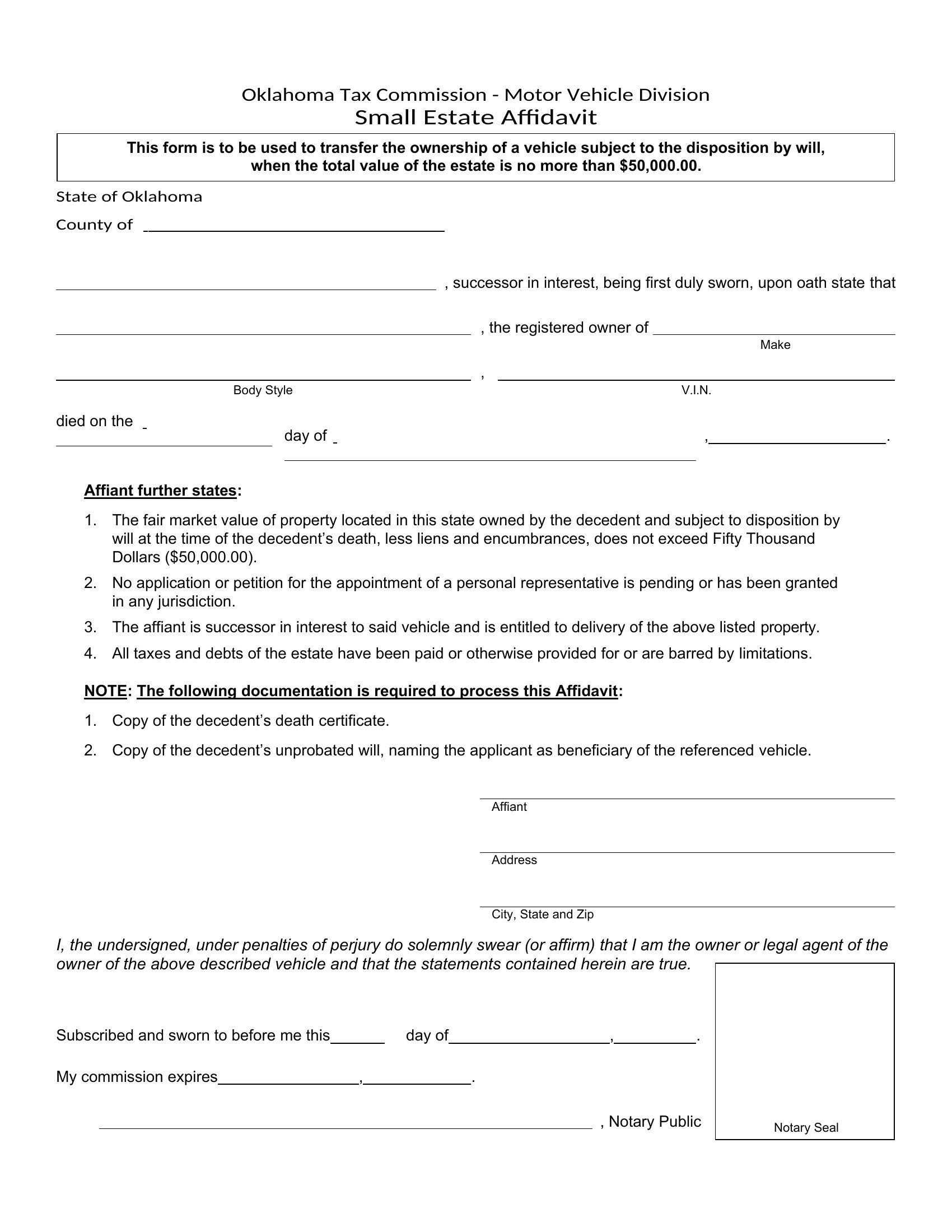
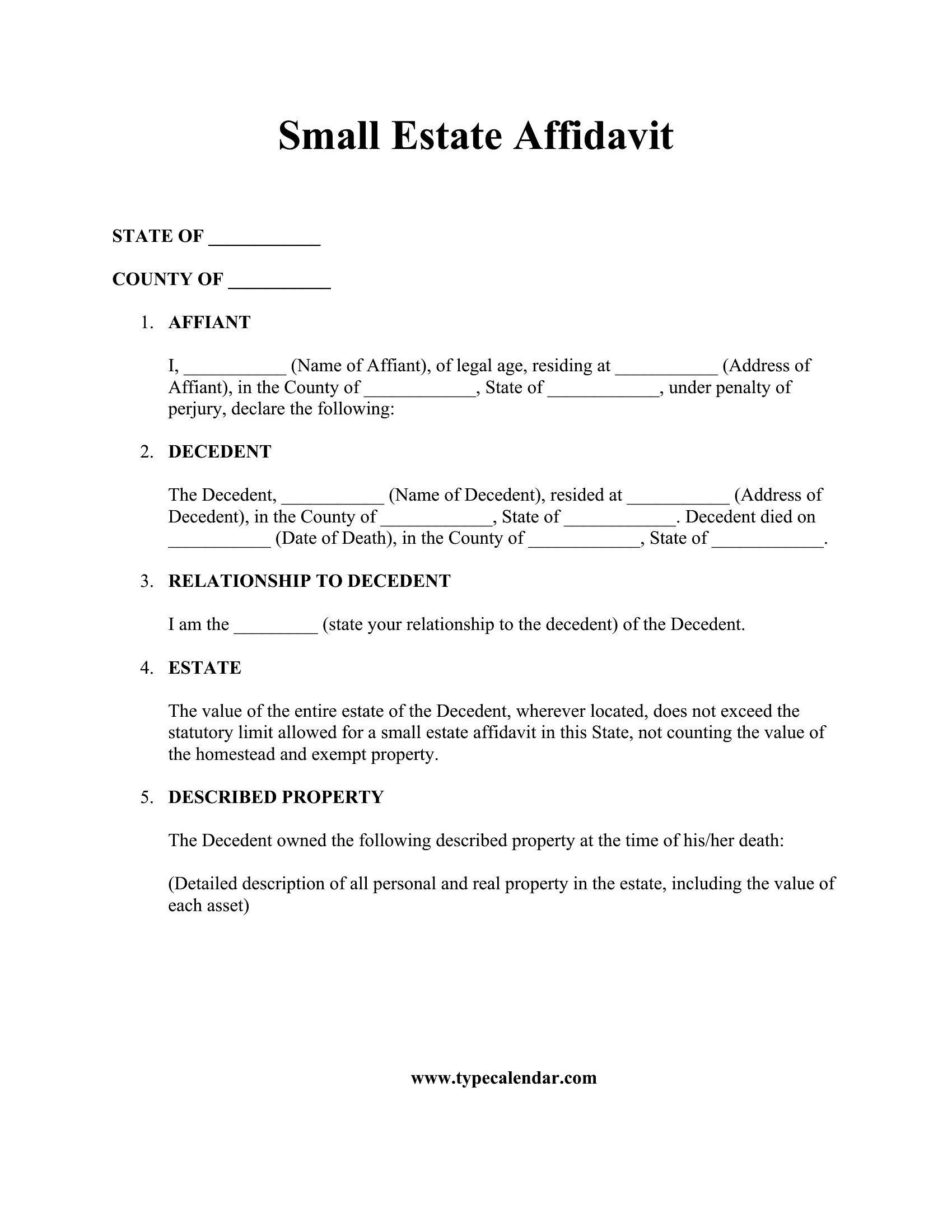
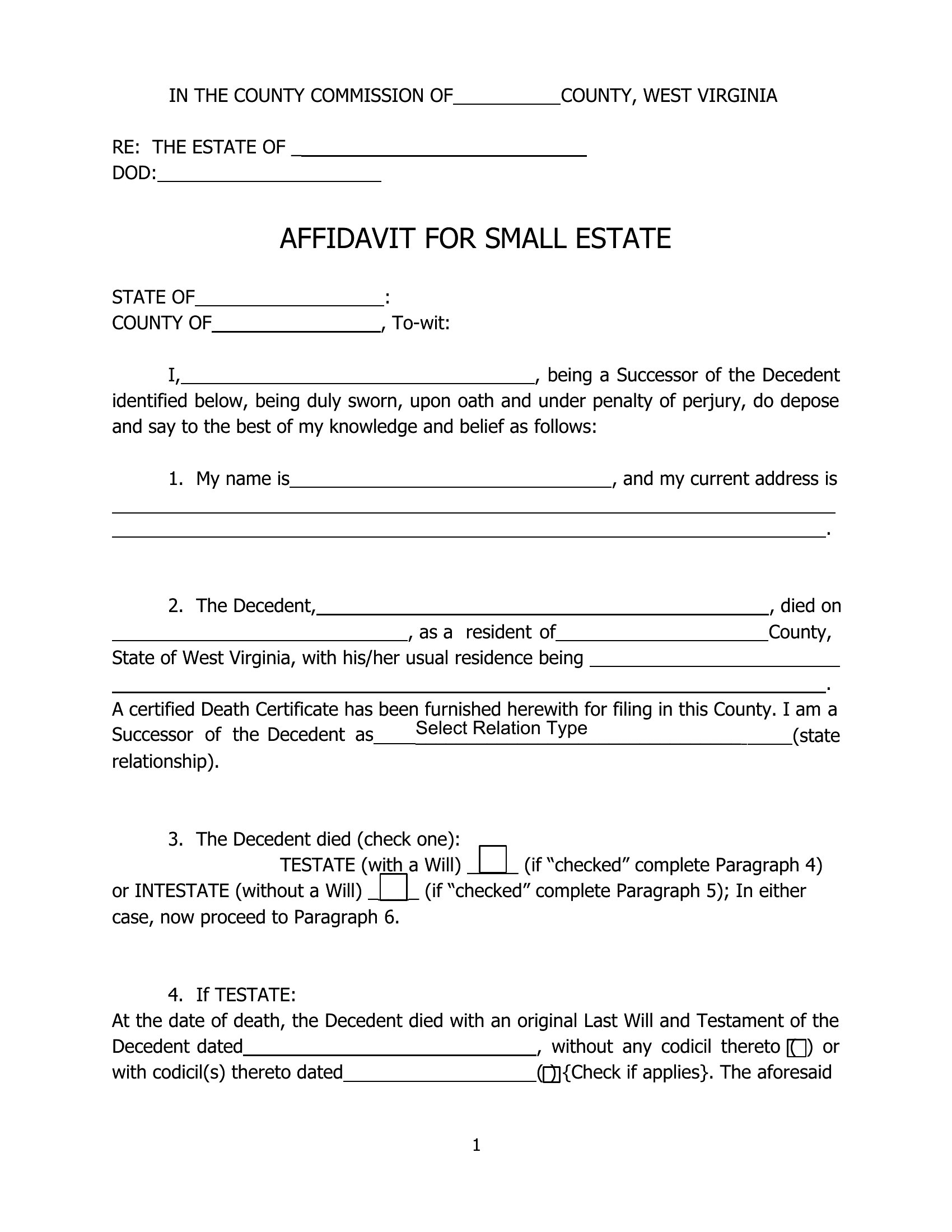
Choose from 52 Small Estate Affidavit Templates
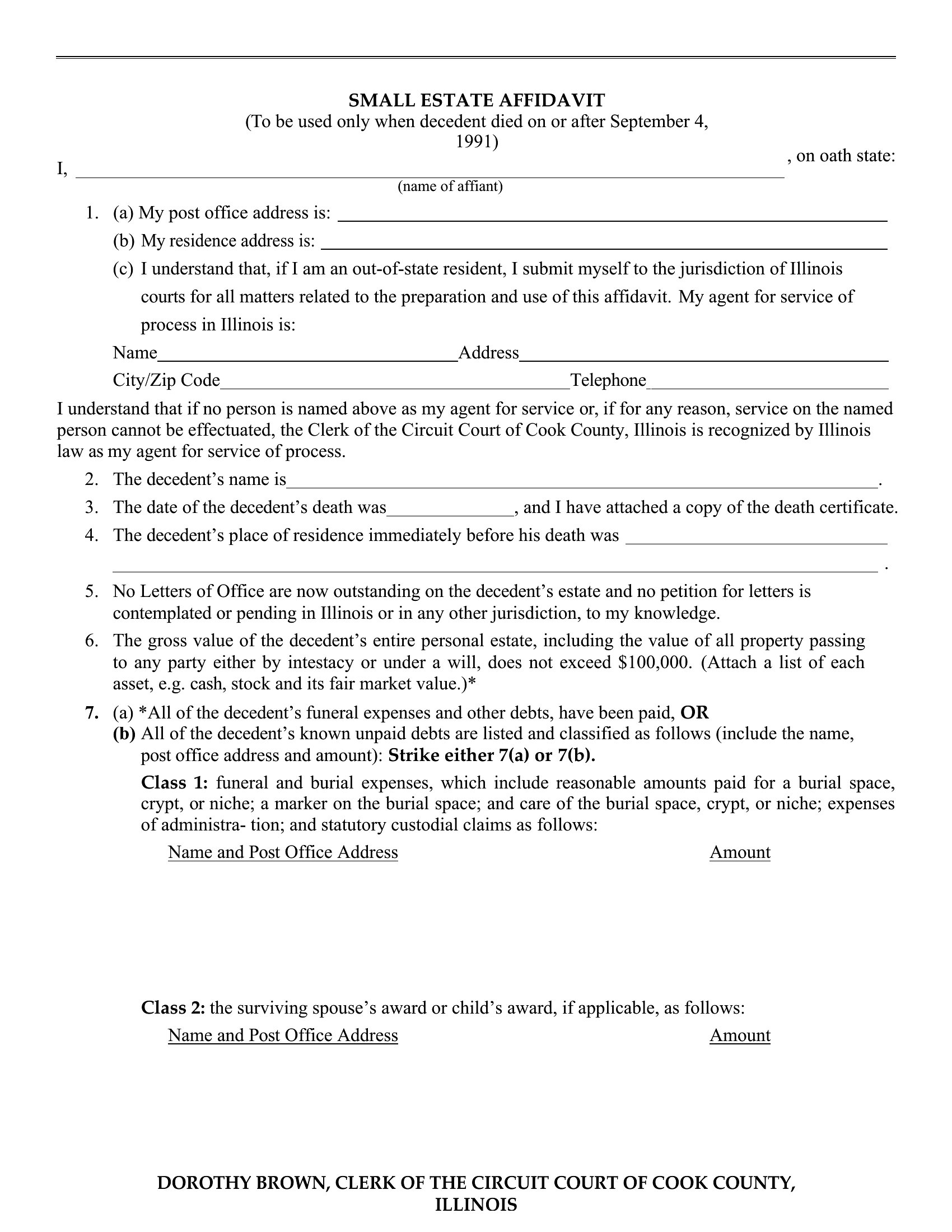
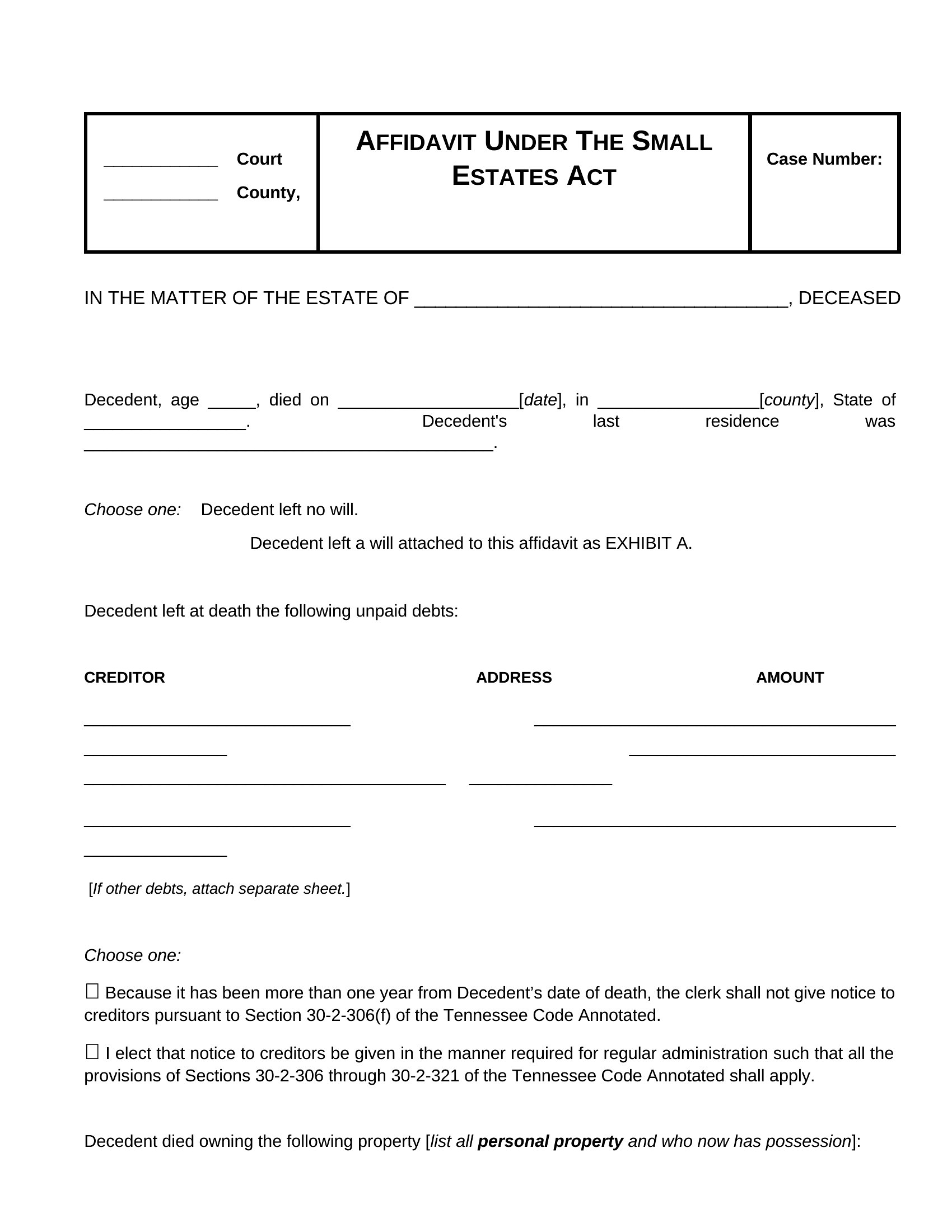
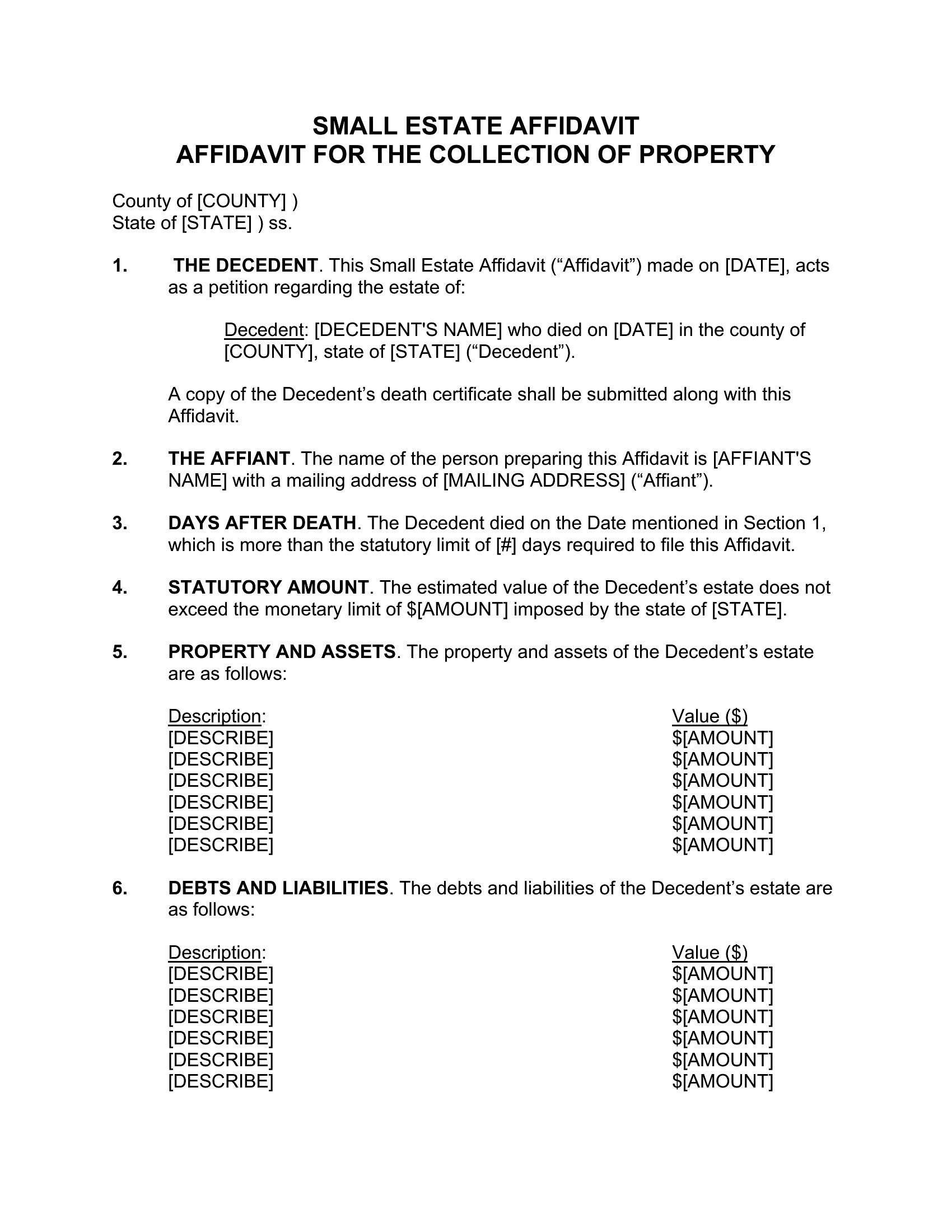
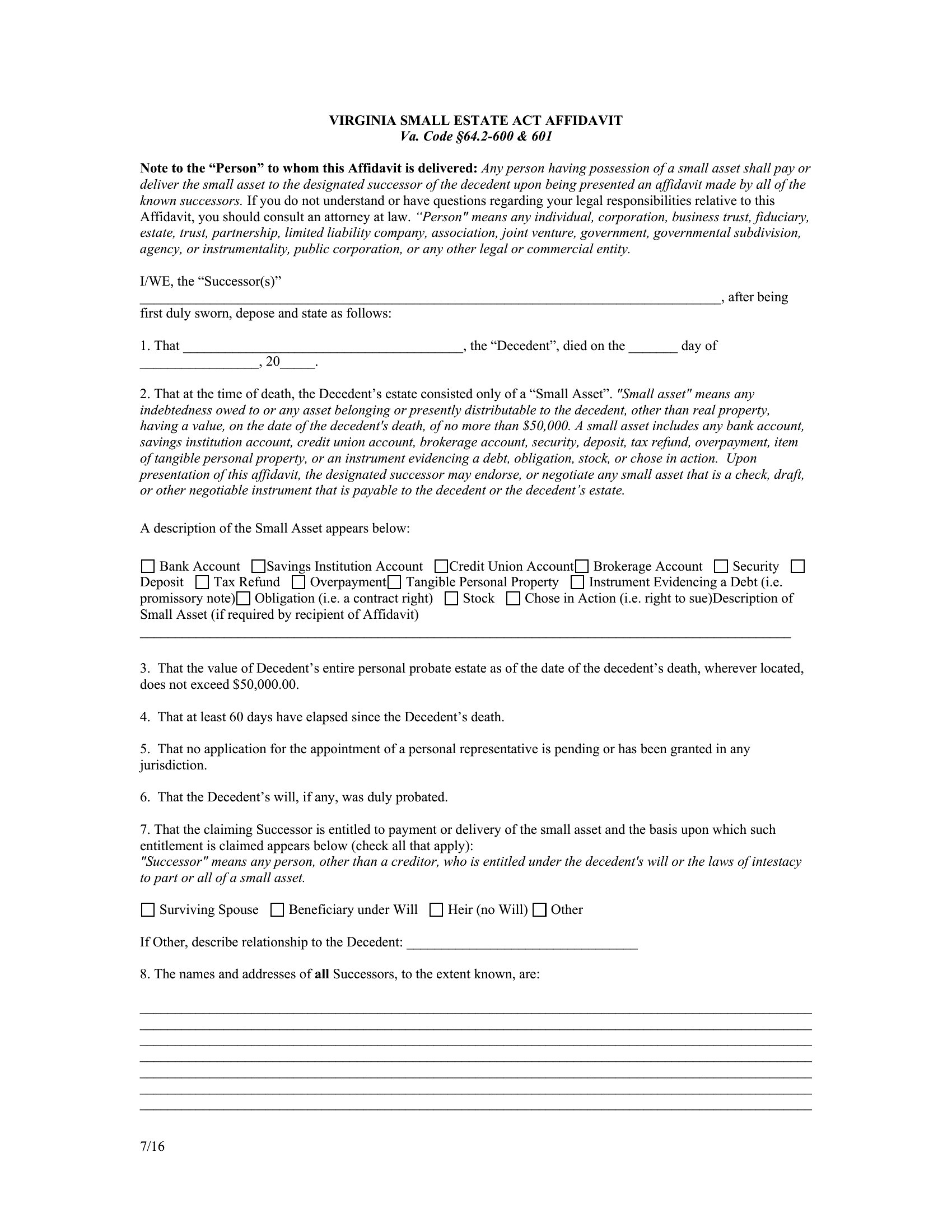
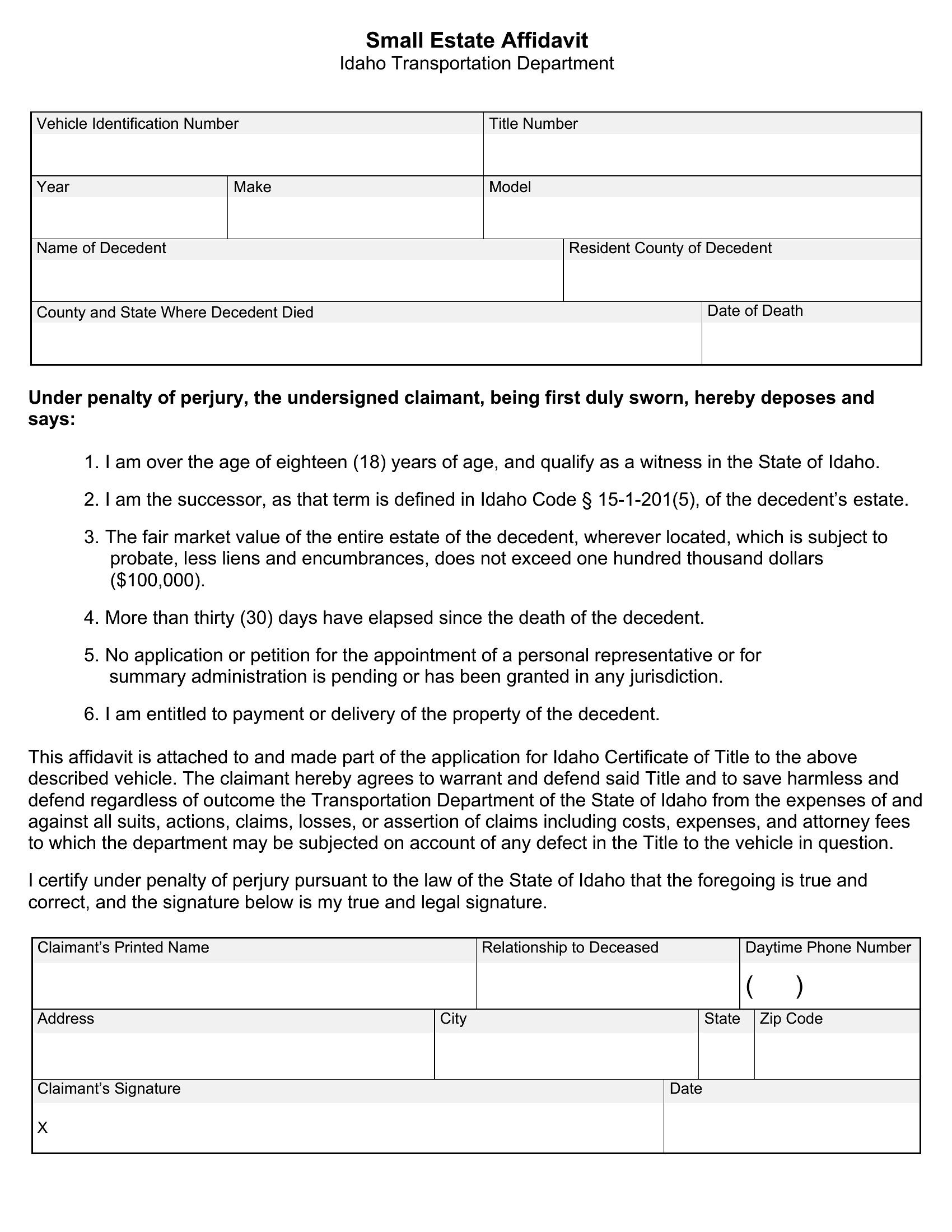
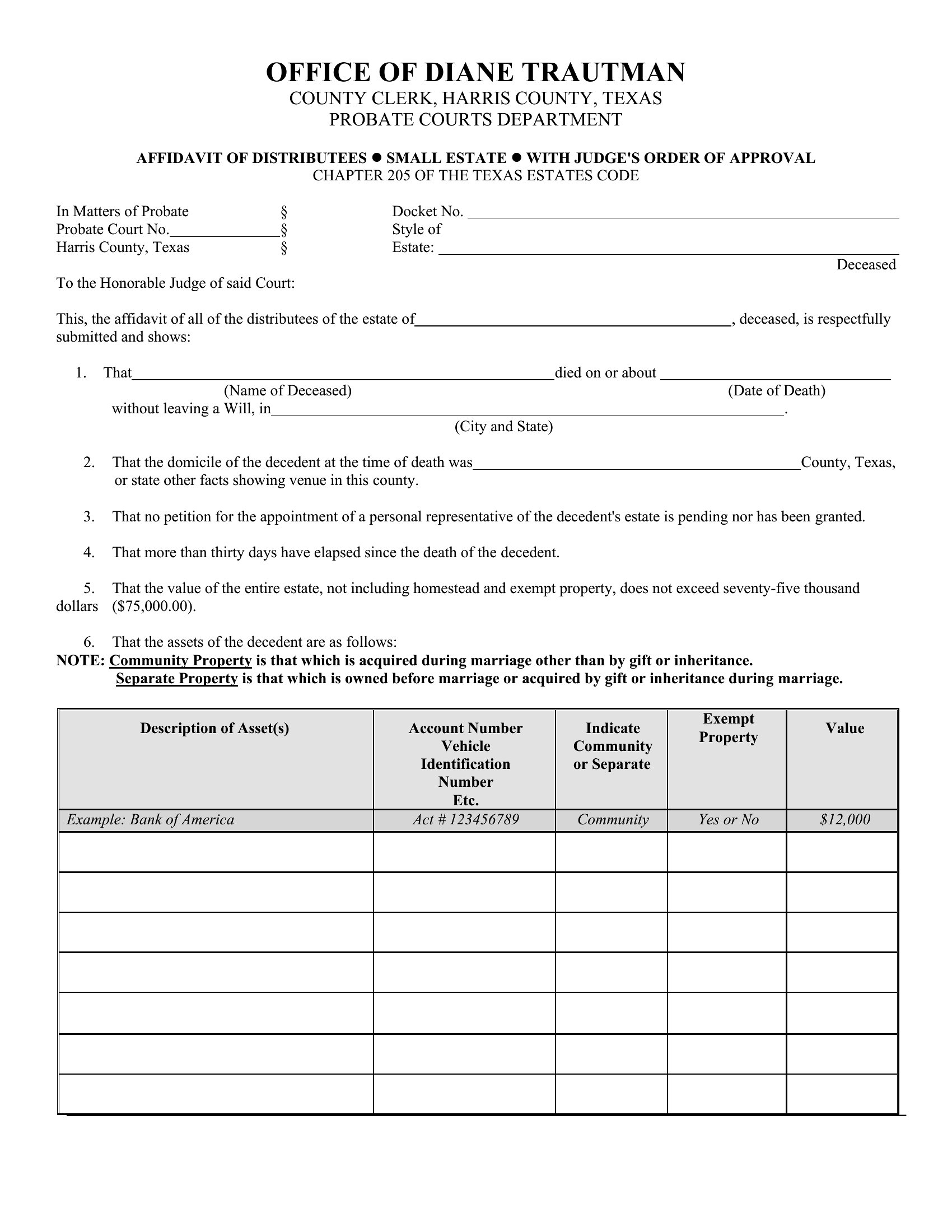
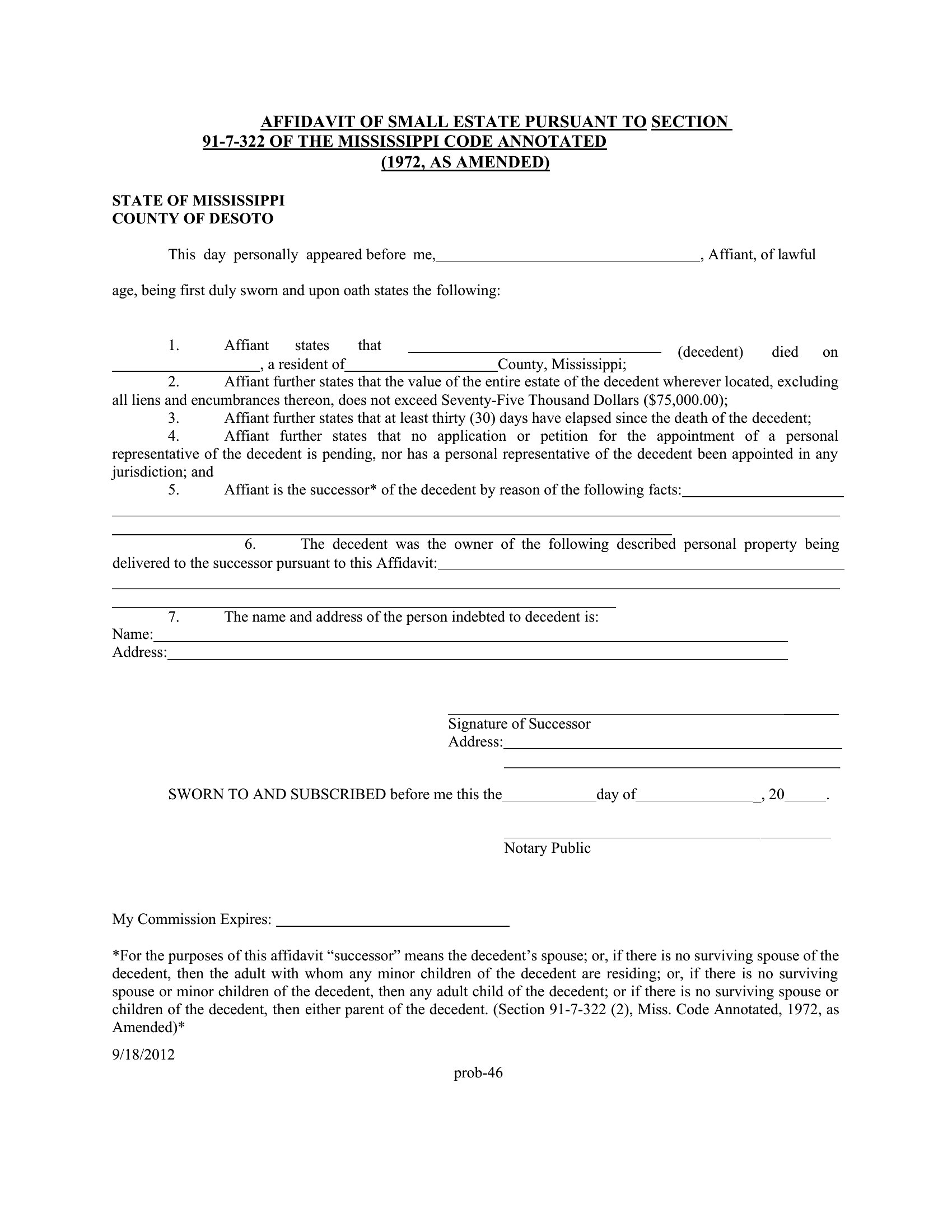
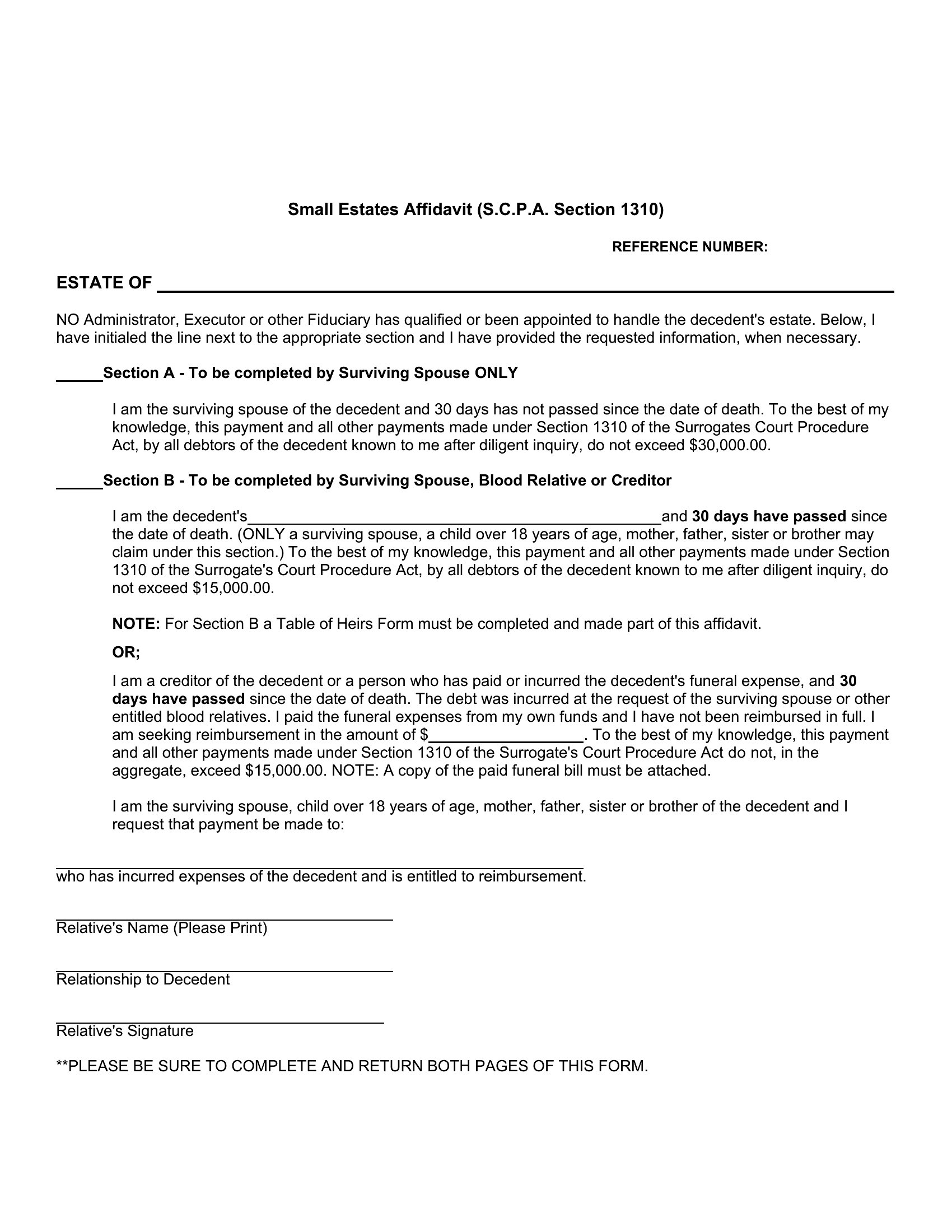
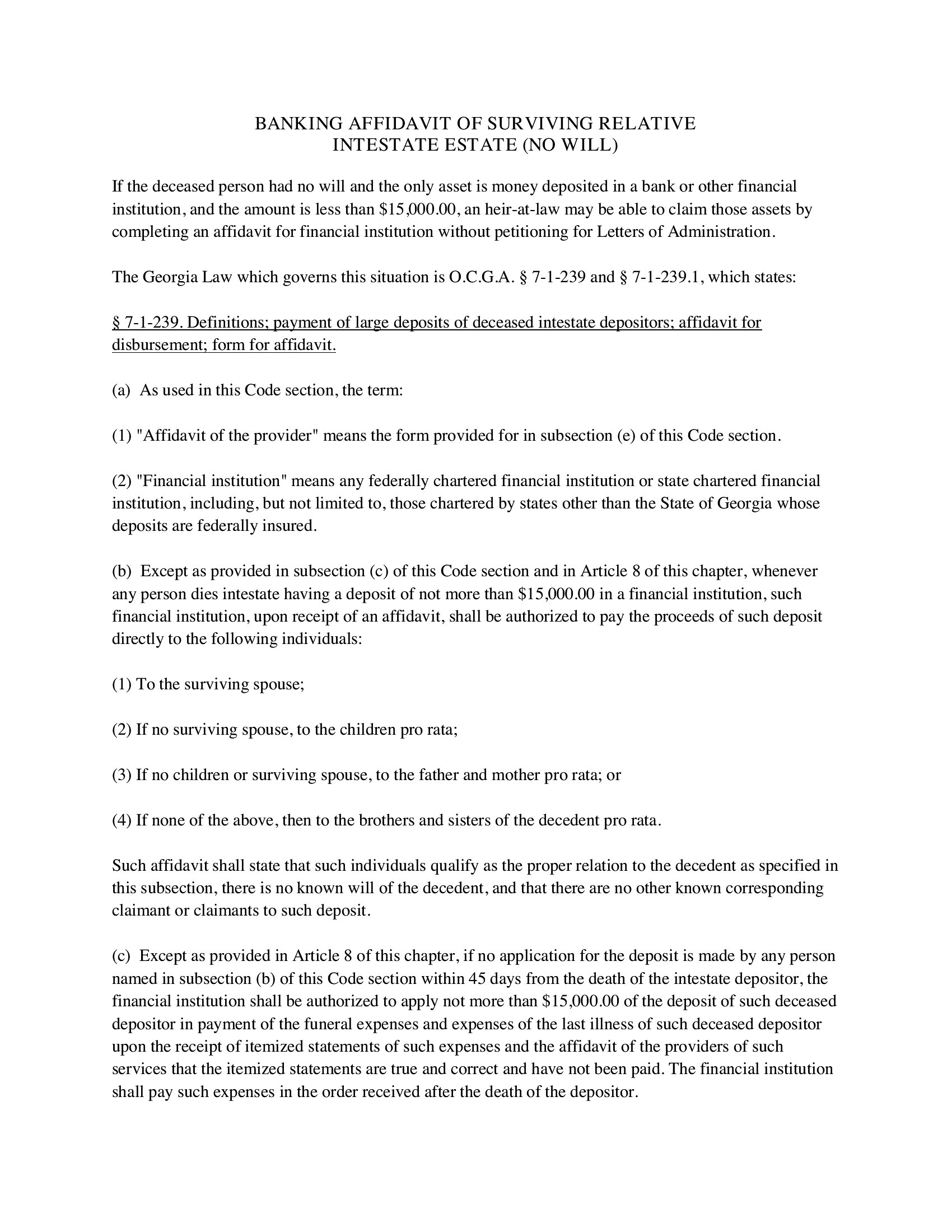
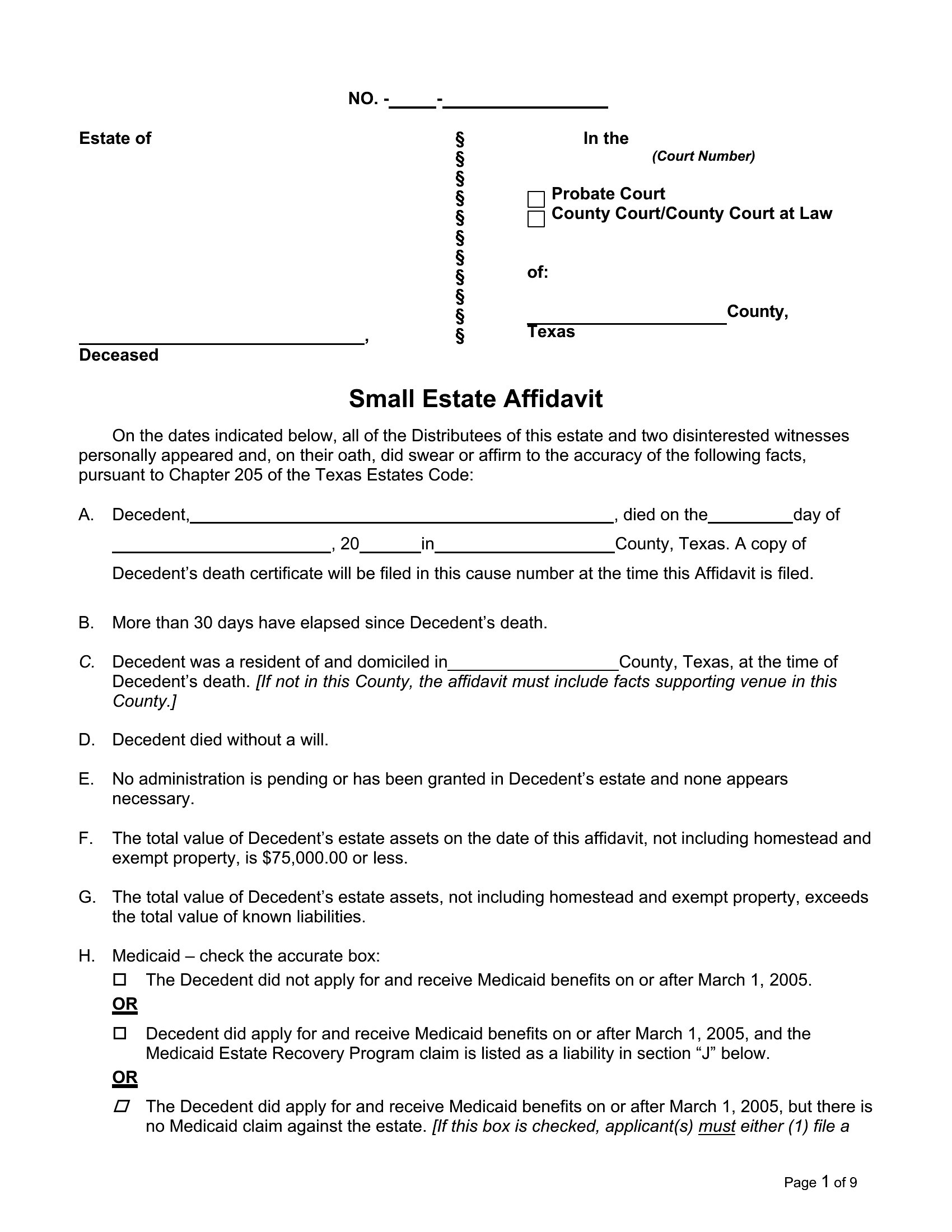
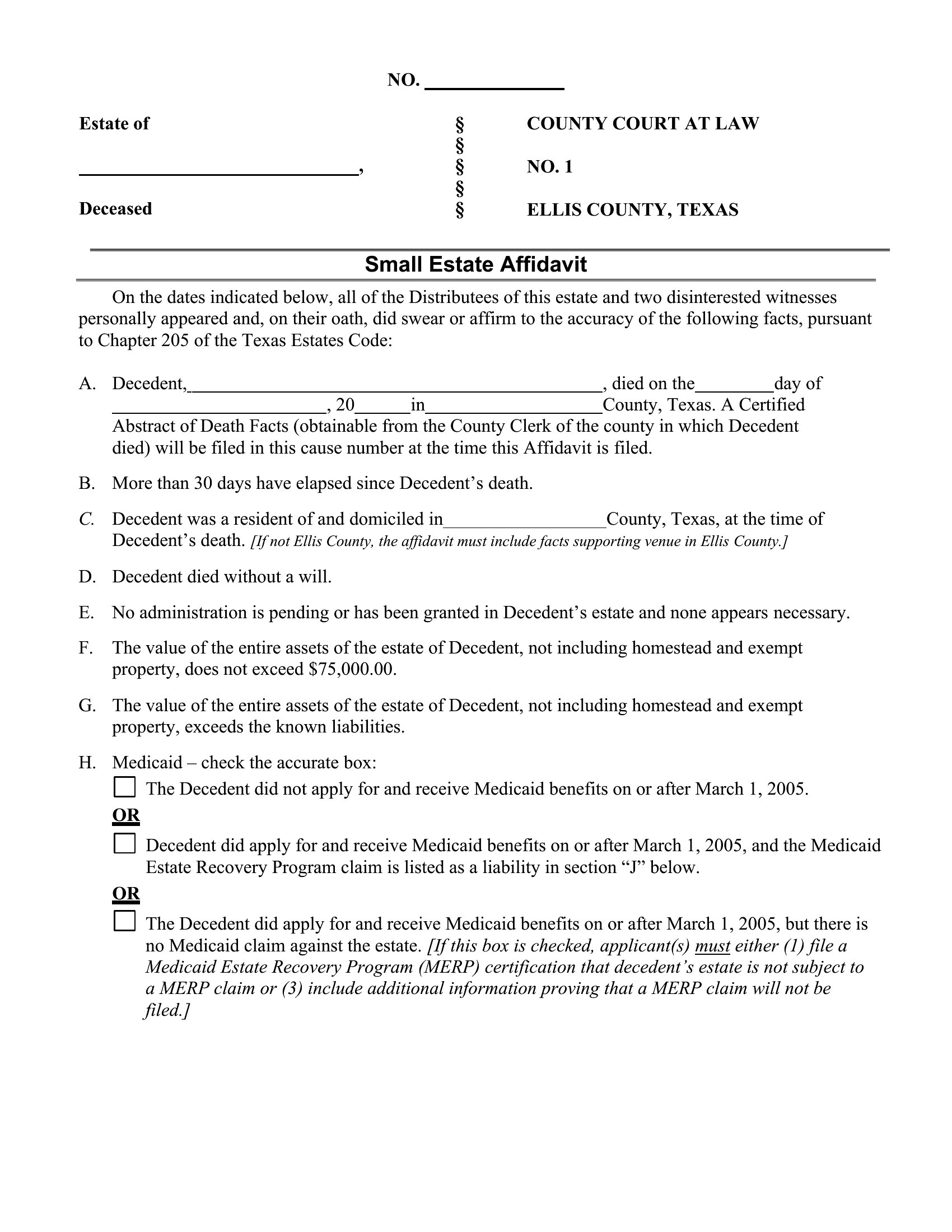
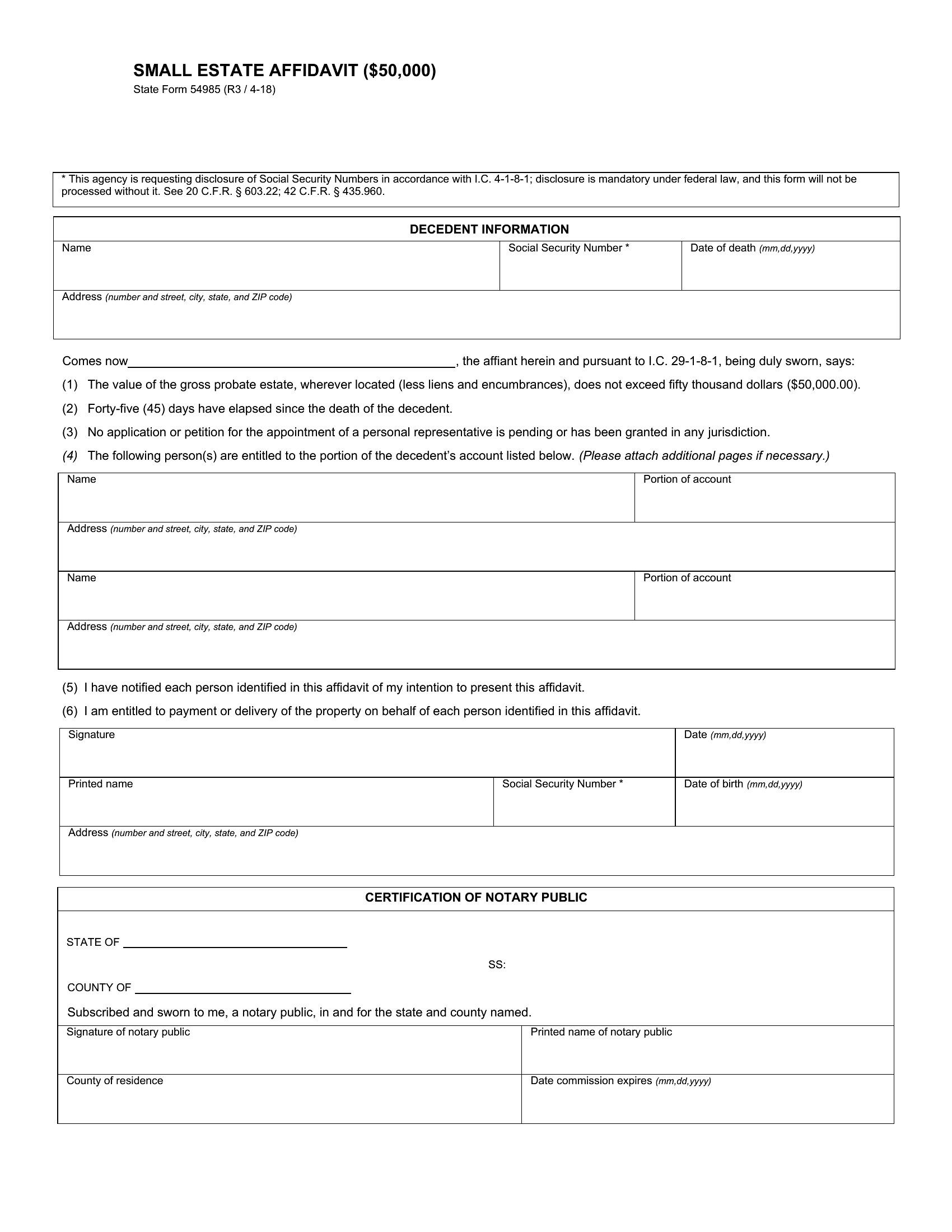
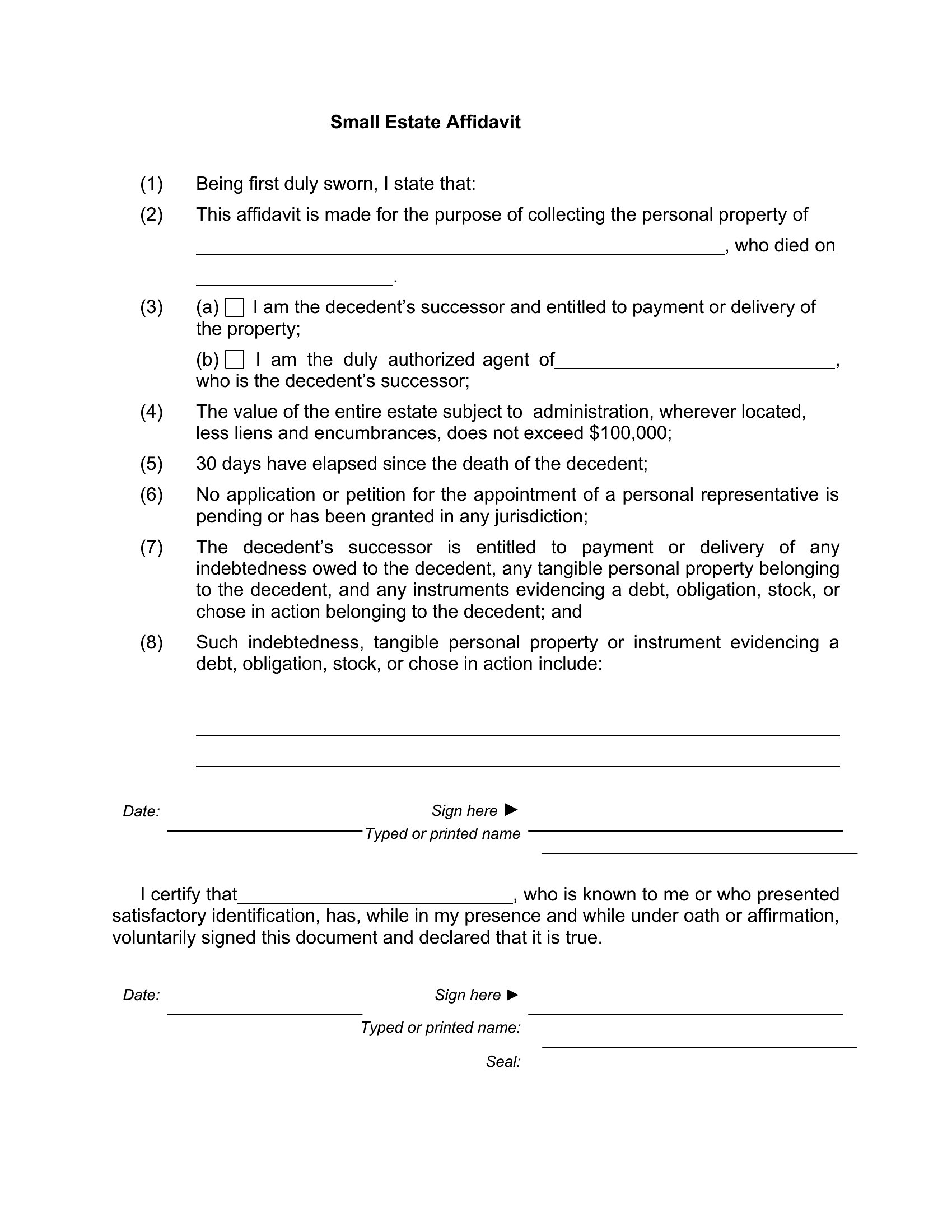
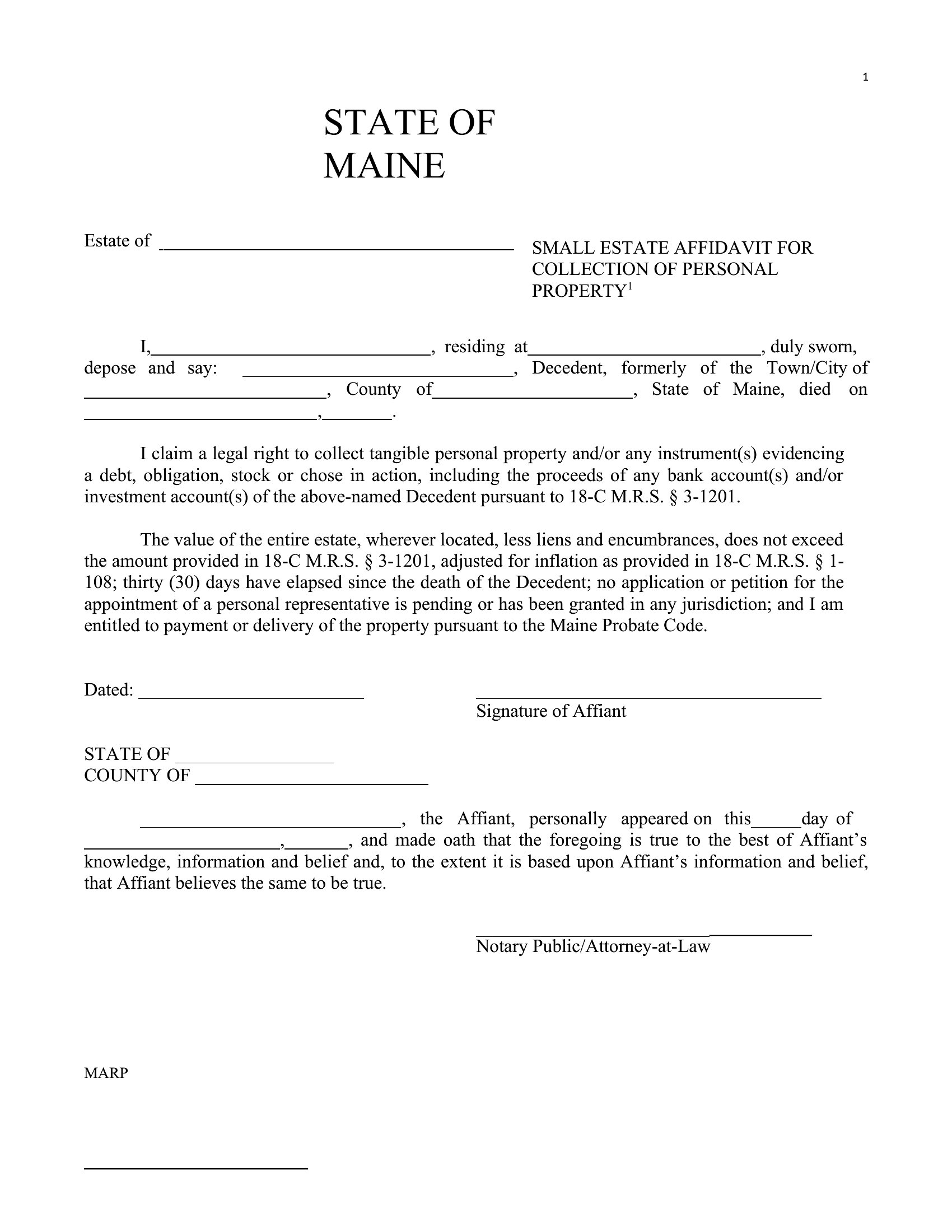
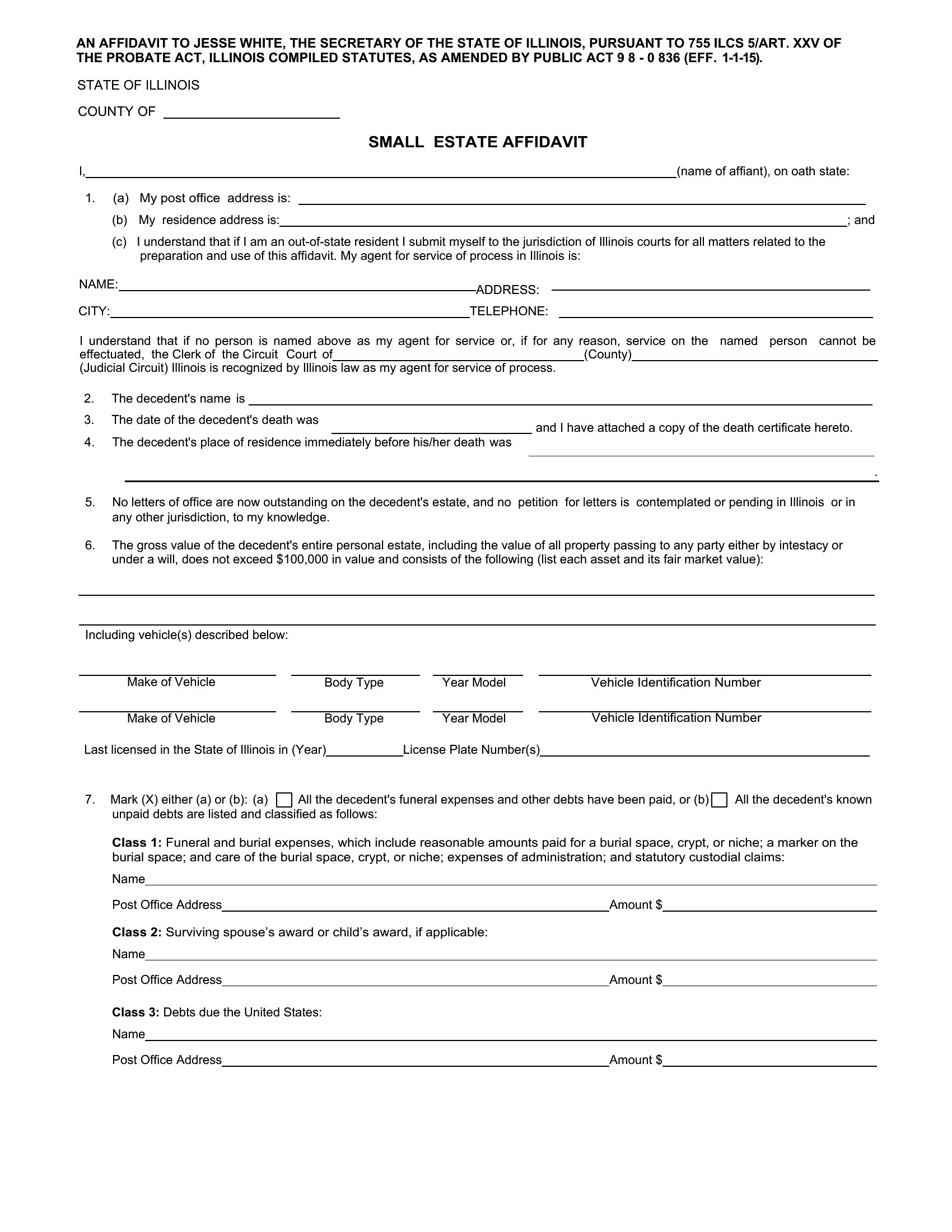
How to use this Small Estate Affidavit template
Can I use these templates if the deceased’s estate includes real property?
These templates are designed for personal property, vehicles, and bank accounts under your state’s small estate threshold. For real property (like a home), consult a probate attorney, as an affidavit may not suffice. Some templates include language for specific assets—double-check the notes for limitations. Always verify with your state’s probate court rules for real estate exceptions.
What happens if the estate’s total value exceeds the small estate threshold after filling out the affidavit?
If the estate’s value later appears to exceed your state’s limit (e.g., $184,500 in California), the affidavit may be rejected, and you’ll need to file for full probate. To avoid issues, conservatively estimate asset values or consult an estate attorney to ensure compliance. Some templates include a disclaimer about value accuracy—this protects you if unexpected assets are later discovered.
Do I need to notarize the affidavit after completing it?
Notarization requirements vary by state. Some states (like Florida) require the affidavit to be notarized before submission to banks or financial institutions, while others (like Texas) may not. Check your state’s probate code or the template’s notes for specific instructions. If unsure, have it notarized—it’s a common best practice and often required for asset transfers.
Comments
Join the conversation
Sign in to share your thoughts and leave a comment on this resource.